Workshop spájania_ Záhorská galéria Jána Mudrocha v Senici_2024
WORKSHOP SPÁJANIA
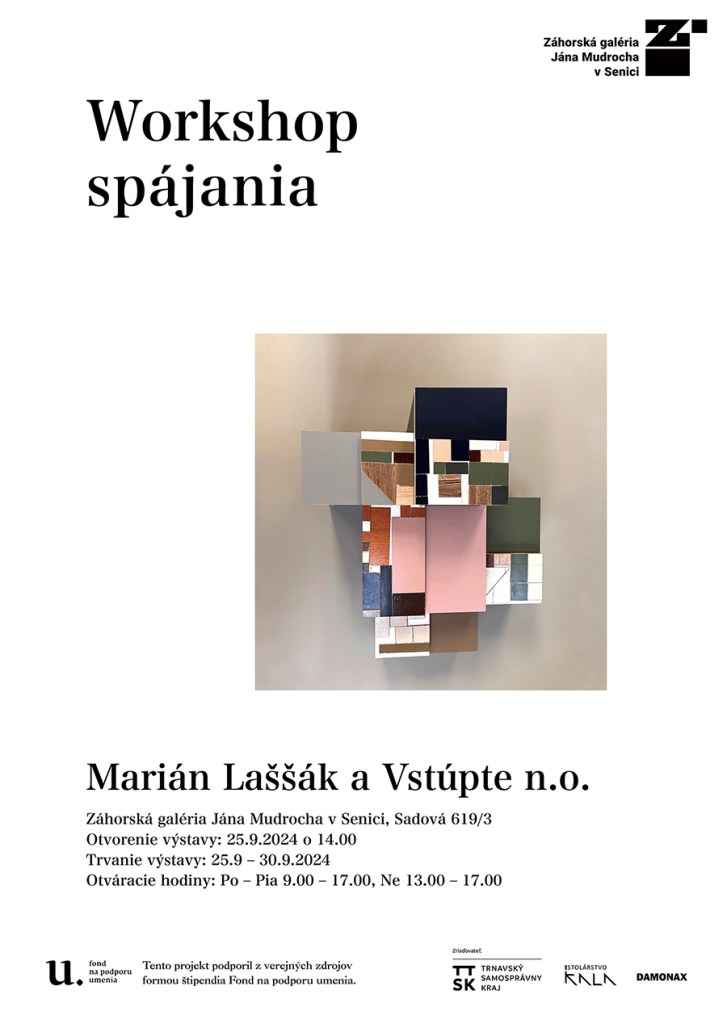
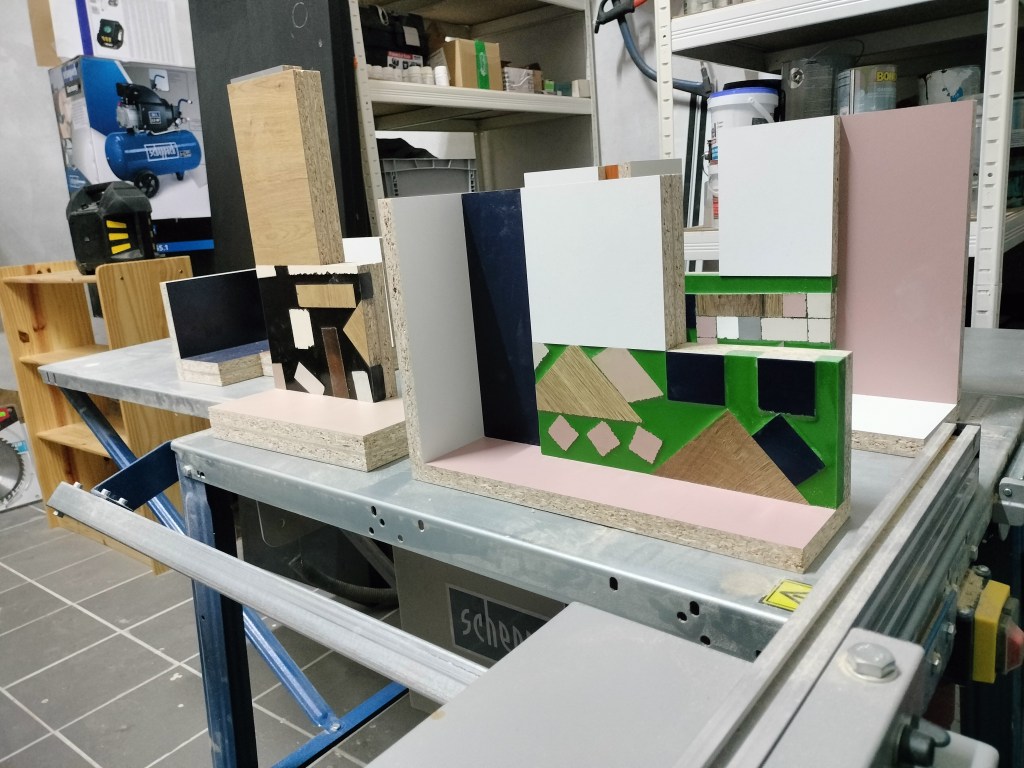
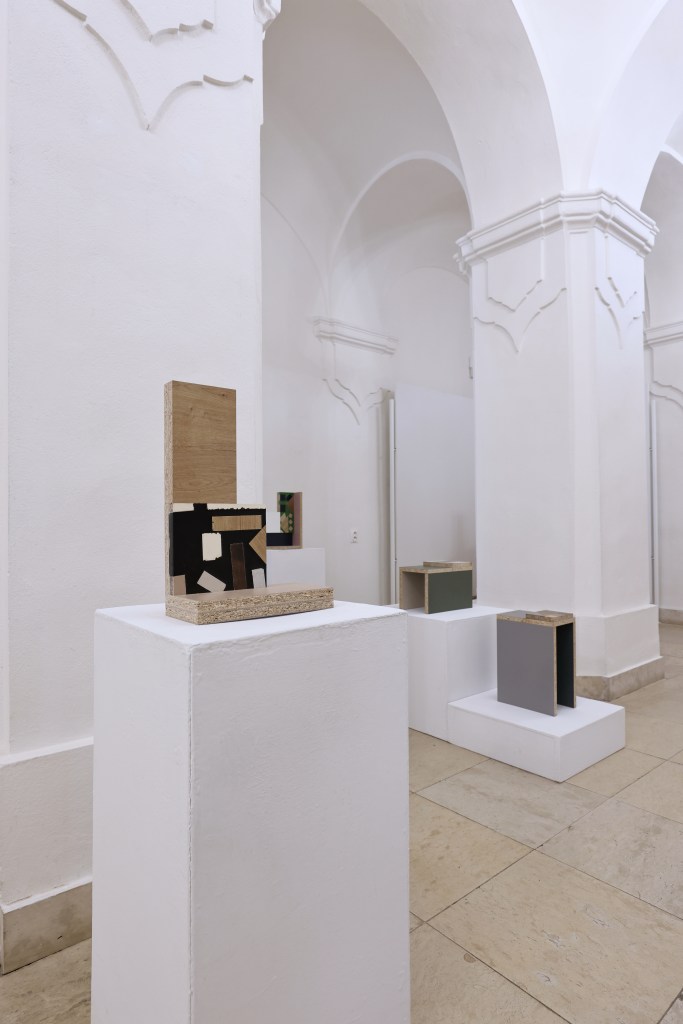
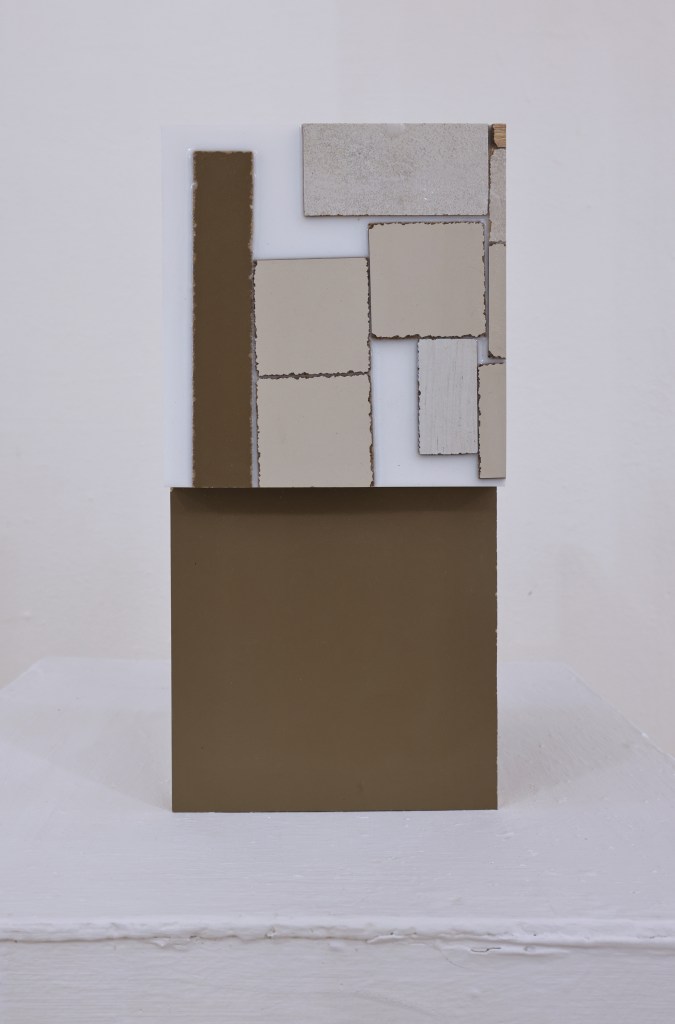
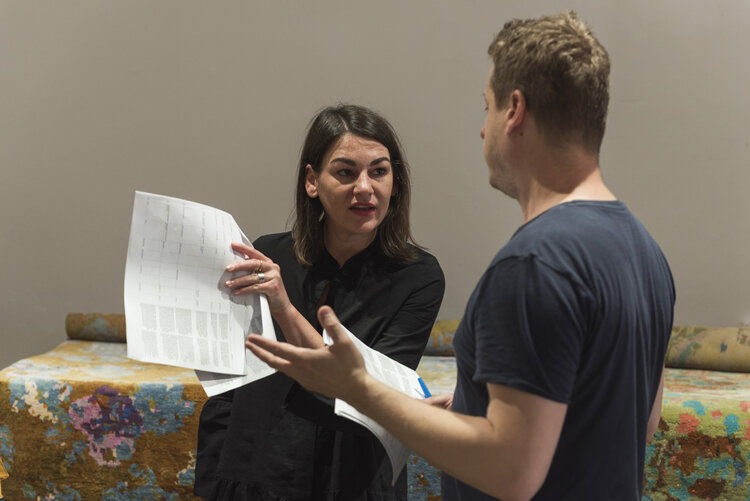
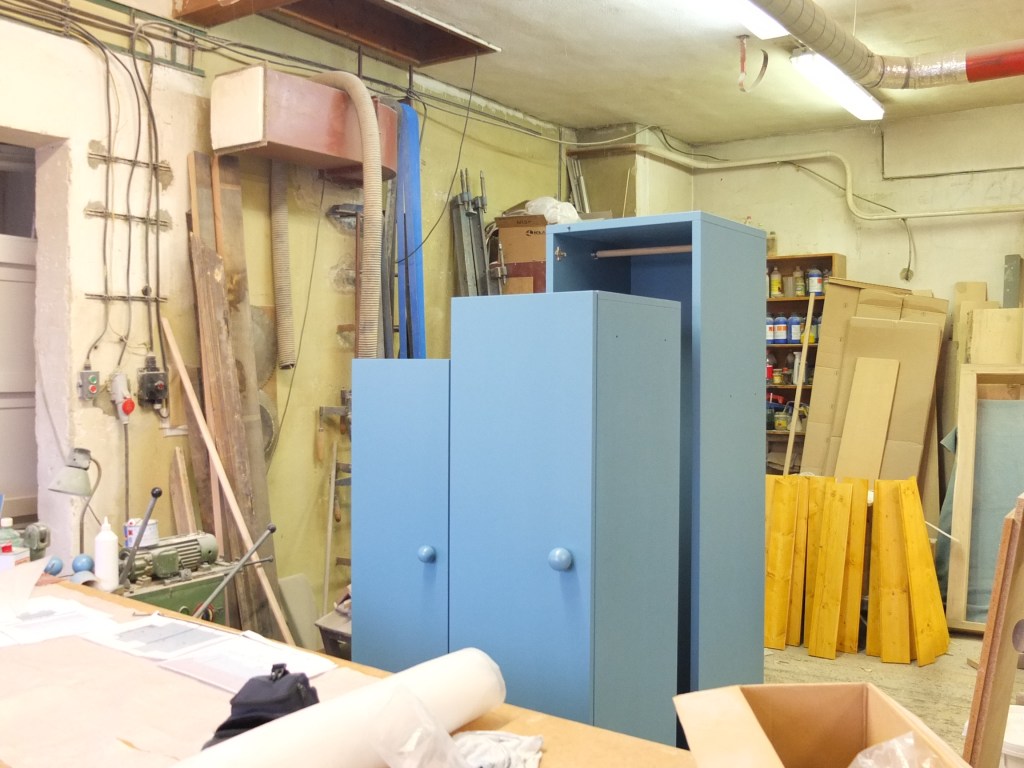
SK_ Workshop spájania je projekt, obsah ktorého definujú dva kľúčové pojmy. Prvým je workshop, určujúci miesto pre tvorbu a spoluprácu. Druhým je spájanie, predstavujúce základný konštrukčný princíp v dizajne, ktoré zároveň odkazuje k spájaniu medzi ľuďmi. Koncept projektu vznikol na základe rozhovorov riaditeľky Vstúpte, n.o, zariadenia sociálnych služieb pre ľudí s mentálnym postihnutím v Malackách Kataríny Martincovej a dizajnéra Mariána Laššáka s cieľom vytvoriť, „experimentálnu“ tvorivú platformu pre spájanie prostredníctvom dizajnu a umenia. Výstava prezentuje sériu objektov v podobe fragmentov nábytku spájaných do náhodne pôsobiacich kompozícií, ktoré sú výsledkom vzájomnej komunikácie medzi autorom a prijímateľmi zariadenia prostredníctvom práce s materiálom. Výsledné objekty nie sú cieľom. Ich realizácia je prostriedkom pre dialóg a vzájomné poznanie. Jedná sa o pilotný projekt, otvárajúci dvere pre pravidelnú spoluprácu reflektujúcu potrebu vzájomnej komunikácie medzi majoritou a ľuďmi so špecifickými potrebami. Vstúpte, n.o. je nezisková organizácia, ktorá v Malackách poskytuje dospelým ľuďom s mentálnym postihnutím sociálne služby ambulantnou a pobytovou formou. Vstúpte tiež prevádzkuje chránenú dielňu, v ktorej zamestnáva piatich ľudí s mentálnym postihnutím a tri pracovné asistentky. Cieľom organizácie je, okrem začlenenia ľudí s mentálnym postihnutím do bežnej spoločnosti a bežného života v čo najväčšej možnej miere, ovplyvňovať a meniť postoj, pohľad a vnímanie majority k ľuďom s postihnutím. Poukázať na skutočnosť, že každý človek má (mať) v spoločnosti svoje miesto a že sme si vzájomne užitoční. Prijímatelia, ktorí sa projektu zúčastnili neboli vopred vybraní. Postupne sa do procesu zapájali podľa vlastného uváženia a záujmu.
foto: Vstúpte n.o, Marko Horban
Tento projekt podporil z verejných zdrojov formou štipendia Fond na podporu umenia
ENG_ The Connecting Workshop is a project whose content is defined by two key concepts. The first is the workshop, which determines a place for creation and collaboration. The second is connecting, representing a basic design principle in design, which also refers to connecting people. The concept of the project was created based on conversations between the director of Vstúpte, n.o., a social service facility for people with intellectual disabilities in Malacky, Katarína Martincová, and the designer Marián Laššák, with the aim of creating an “experimental” creative platform for connecting through design and art. The exhibition presents a series of objects in the form of furniture fragments connected into random compositions, which are the result of mutual communication between the author and the recipients of the facility through work with the material. The resulting objects are not the goal. Their realization is a means for dialogue and mutual knowledge. This is a pilot project, opening the door for regular cooperation reflecting the need for mutual communication between the majority and people with specific needs. Vstůpte, n.o. is a non-profit organization that provides social services to adults with mental disabilities in Malacky in an outpatient and residential form. Vstůpte also operates a sheltered workshop, in which it employs five people with mental disabilities and three work assistants. The organization’s goal is, in addition to integrating people with mental disabilities into mainstream society and everyday life to the greatest extent possible, to influence and change the attitude, view and perception of the majority towards people with disabilities. To point out the fact that every person has (should have) their place in society and that we are mutually useful. The beneficiaries who participated in the project were not selected in advance. They gradually joined the process according to their own discretion and interest.






Priestorové obrazy_ Krehký betón_Francúzsky inštitút v Bratislave_2022/ Unité de habitation v Marseille_2021/London Design Festival 2017


Medzinárodná cena Slovenskej akadémie vied_ SAV_2021


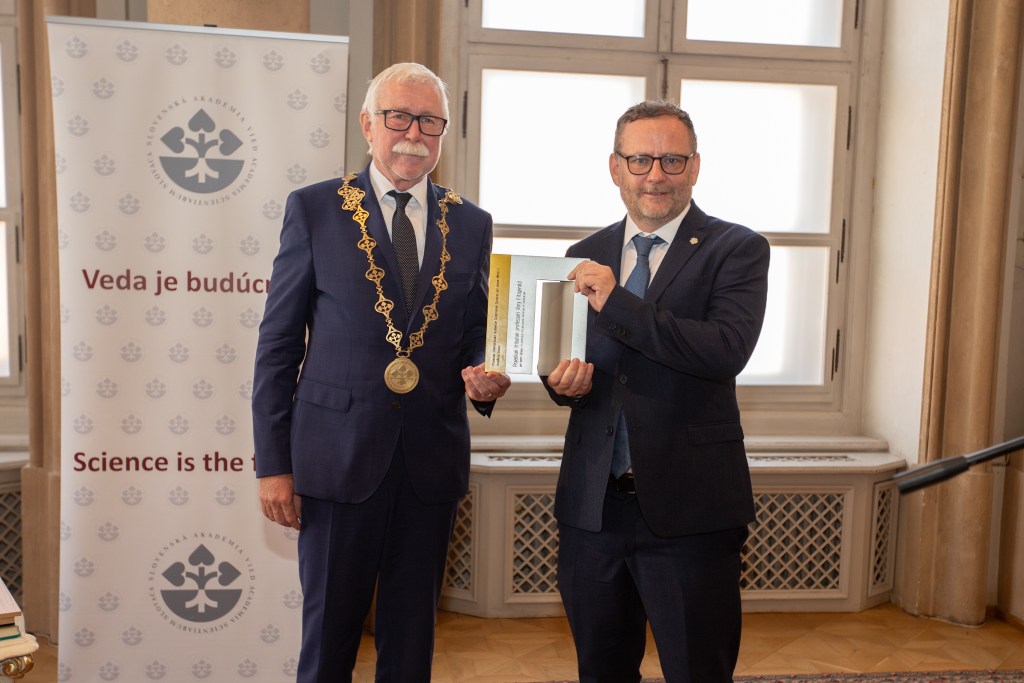

Národná cena za dizajn_ Slovenské centrum dizajnu_2021


Bronejú žlté zore_ Mladá vajnorská_2020


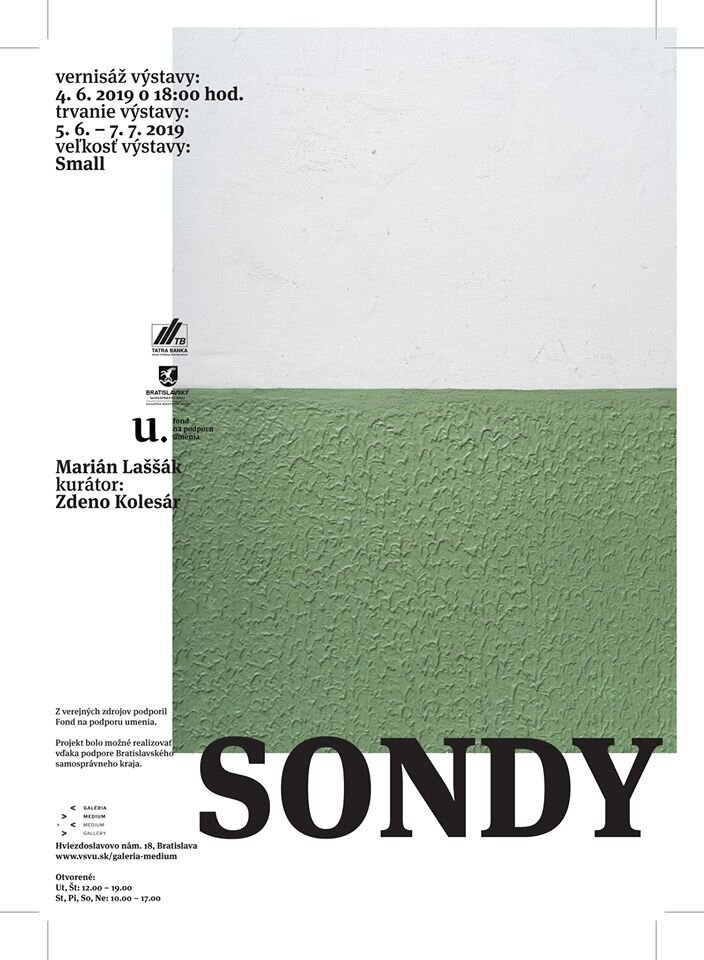
Sondy_ Galéria Médium v Bratislave_2019
SONDY
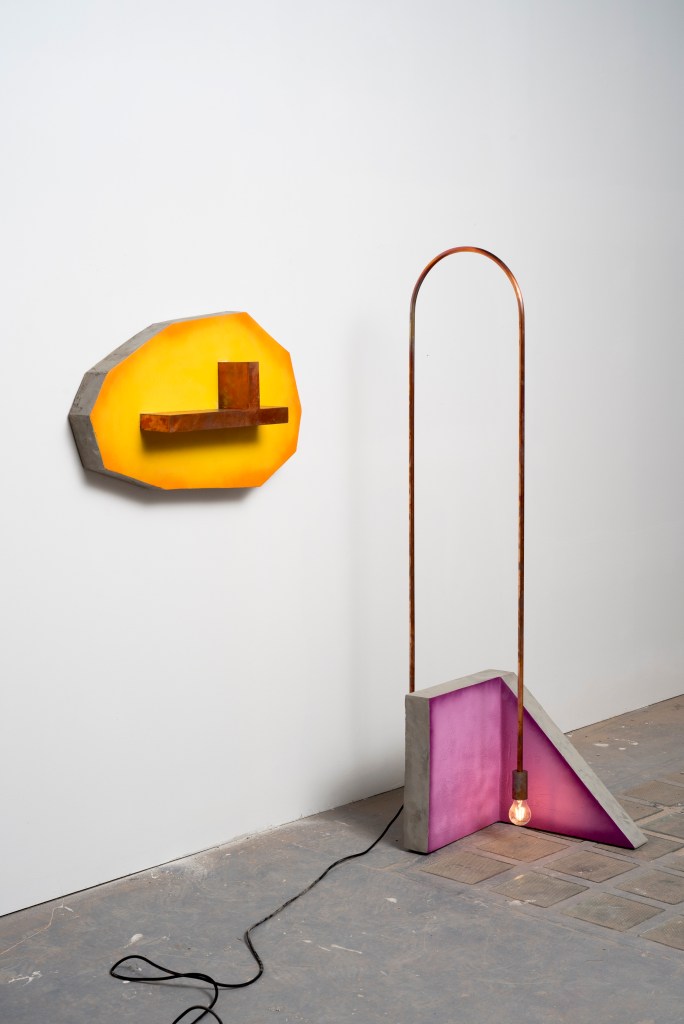
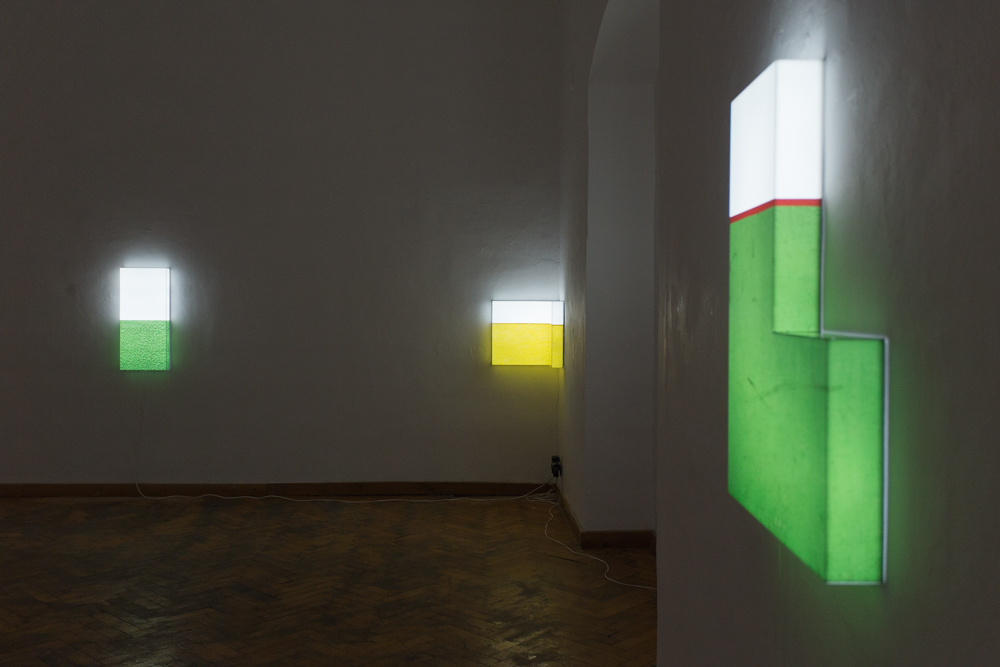
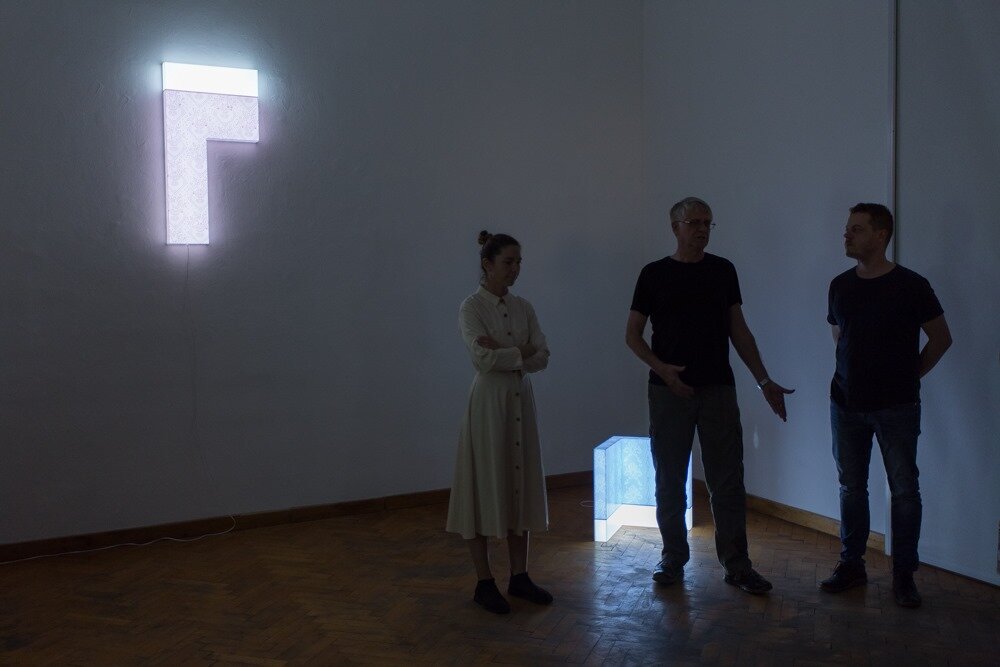
SK_ Súborom Sondy nadväzuje Marián Laššák na predchádzajúce práce
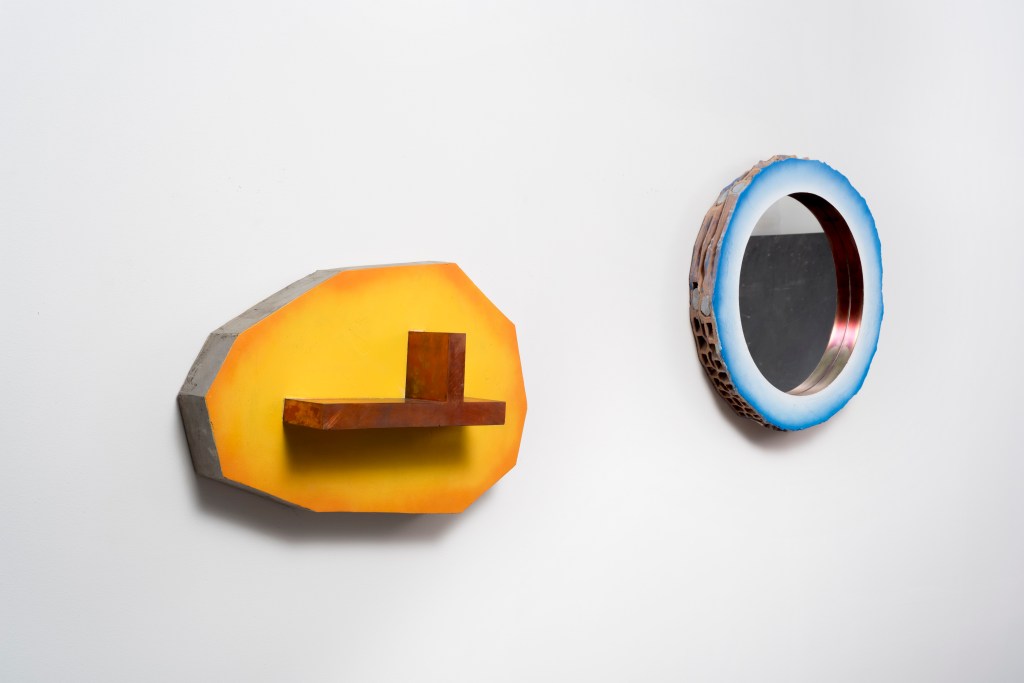
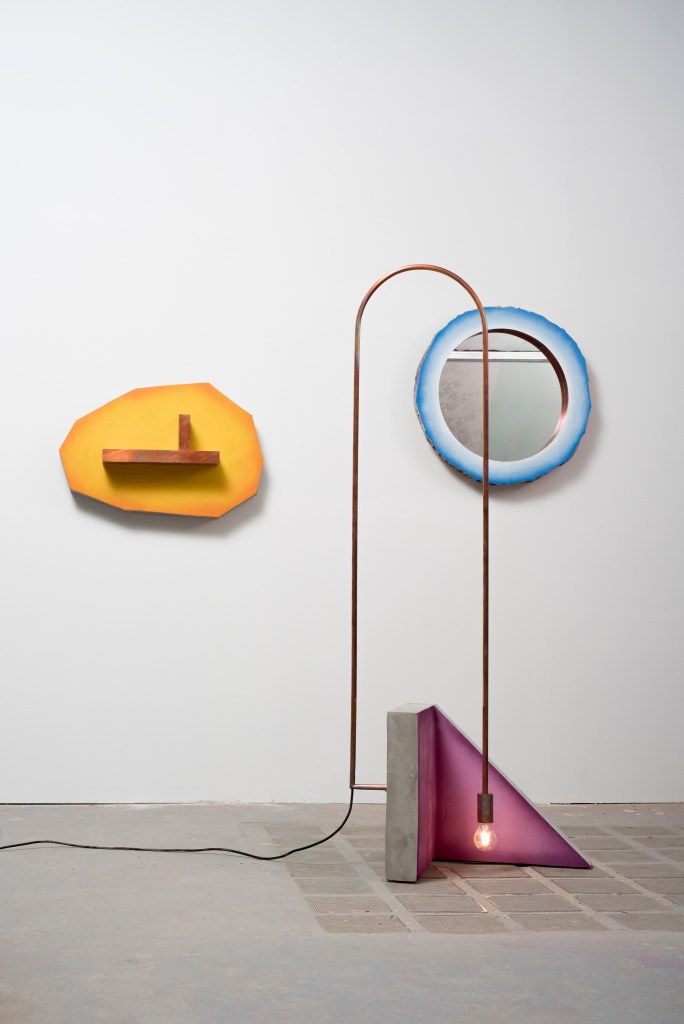
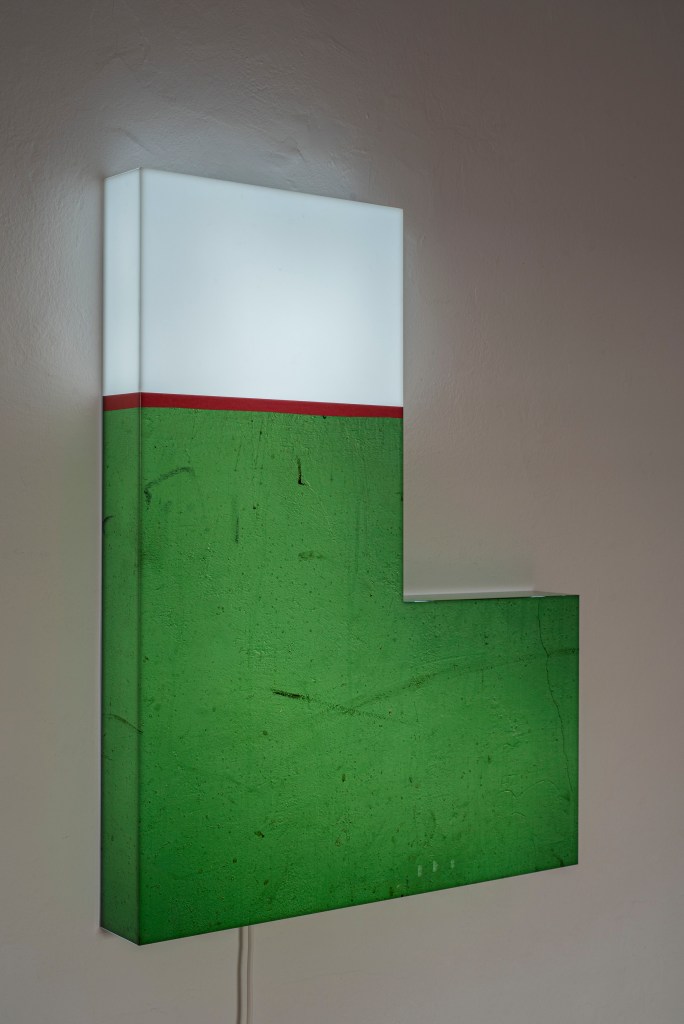
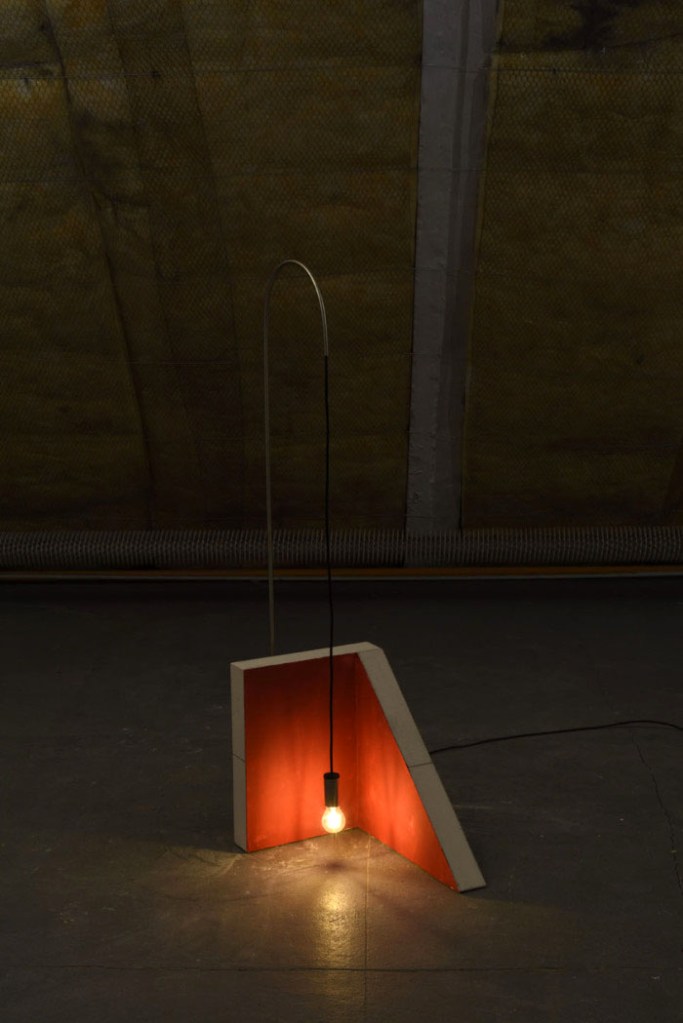
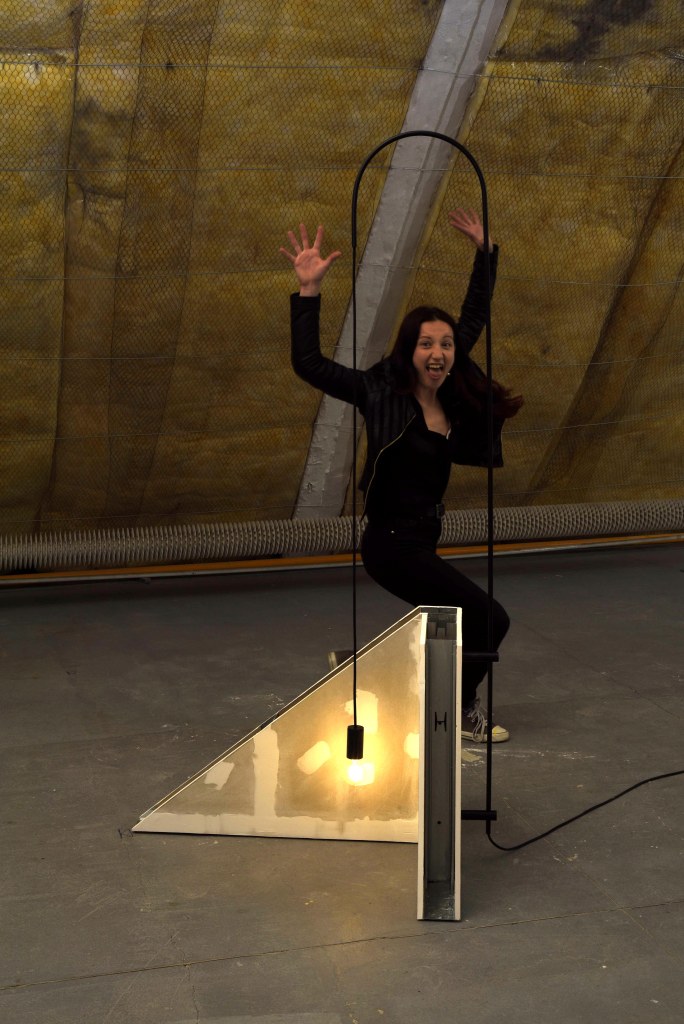
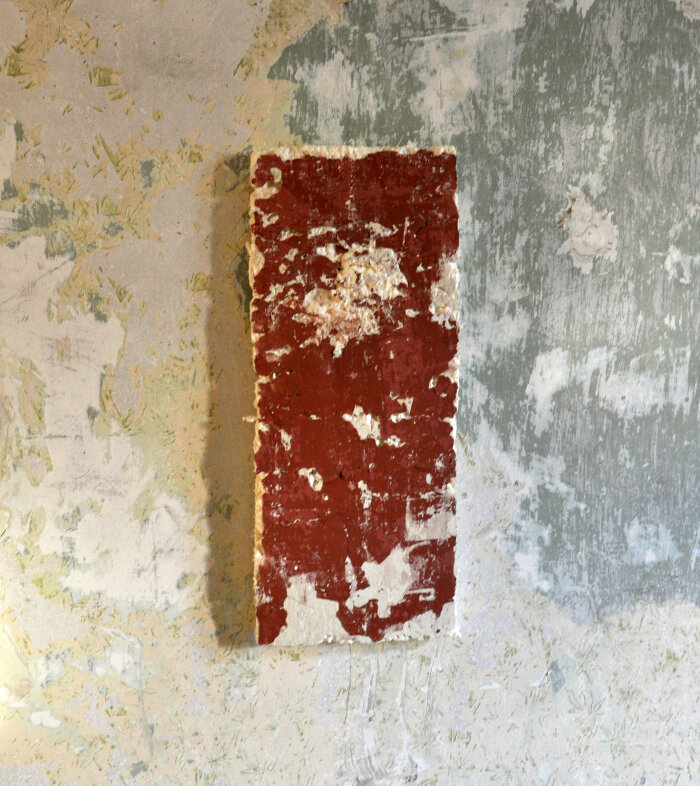
tematizujúce presahy dizajnu a architektúry. Aktuálna kolekcia prehlbuje napätie medzi realitou a ilúziou, medzi dvoma a troma dimenziami, medzi reálnou funkčnosťou (tentoraz ide o svietidlá) a sémantickými akcentami. Sondy evokujú súvislosti s archeologickým či reštaurátorským odkrývaním historických vrstiev. Možno ich vnímať ako abstrahované obrazy času, ale aj konkrétne odkazy k našej minulosti s ostalgickým nádychom. Ponúkajú kontrast svietiacich plôch a fotografických reprodukcií starostlivo vyberaných detailov reálnych industriálnych a privátnych interiérov nedávnej histórie realizovaných v spolupráci s fotografom Markom Horbanom. Citujú olejové nátery stien, farebné linky vymedzujúce maľované plochy, sokle a vápenné omietky vo fabrikách a v školách, aj valčekové vzory, ktoré kedysi zvládal každý samouk-dekoratér pri zveľaďovaní domáceho príbytku. Nabádajú k úsmevu, k úvahám o našej našej reálnosocialistickej minulosti a konzumnej súčasnosti, ale aj k zamysleniu sa nad nezadržateľnosťou plynutia času.
(Zdeno Kolesár, kurátor)
foto: Marko Horban, Galéria Médium
Projekt z verejných zdrojov podporil Fond na podporu umenia
ENG_ Marián Laššák builds on previous works with the Probe ensemble thematic overlaps of design and architecture. The current collection deepens the tension between reality and illusion, between two and three dimensions, between real functionality (this time luminaires) and semantic accents. The probes evoke connection with archeological or restoration uncovering of historical strata. They can be perceived as abstract images of time, but also specific references to ours past with an ostalgic touch. They offer a contrast of illuminating surfaces and photographic reproductions of carefully selected details of real industrial ones and private interiors of recent history realized in collaboration with a photographer Mark Horban. They cite oil paint on the walls, colored lines defining the painted ones surfaces, plinths and lime plasters in factories and schools, as well as roller patterns which once mastered every self-taught decorator in enhancing a home. They encourage you to smile, to reflect on our real socialist past and consumerism, but also to reflect on the unstoppability of the passage of time. (Zdeno Kolesár, curator)






Národná cena za dizajn_ Slovenské centrum dizajnu_2019


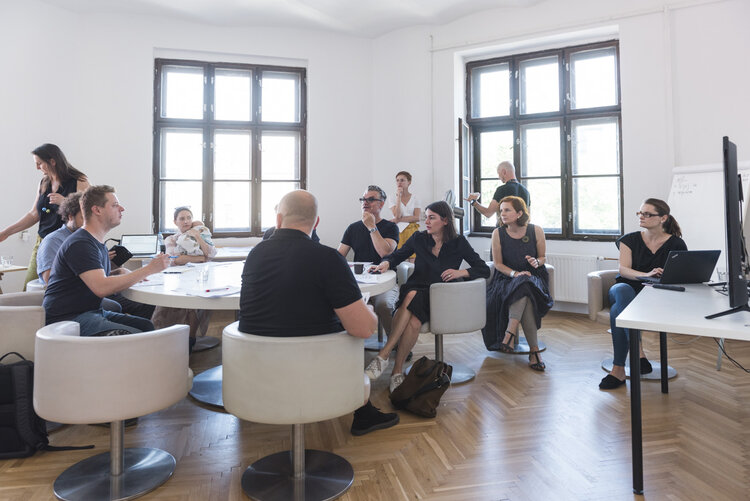
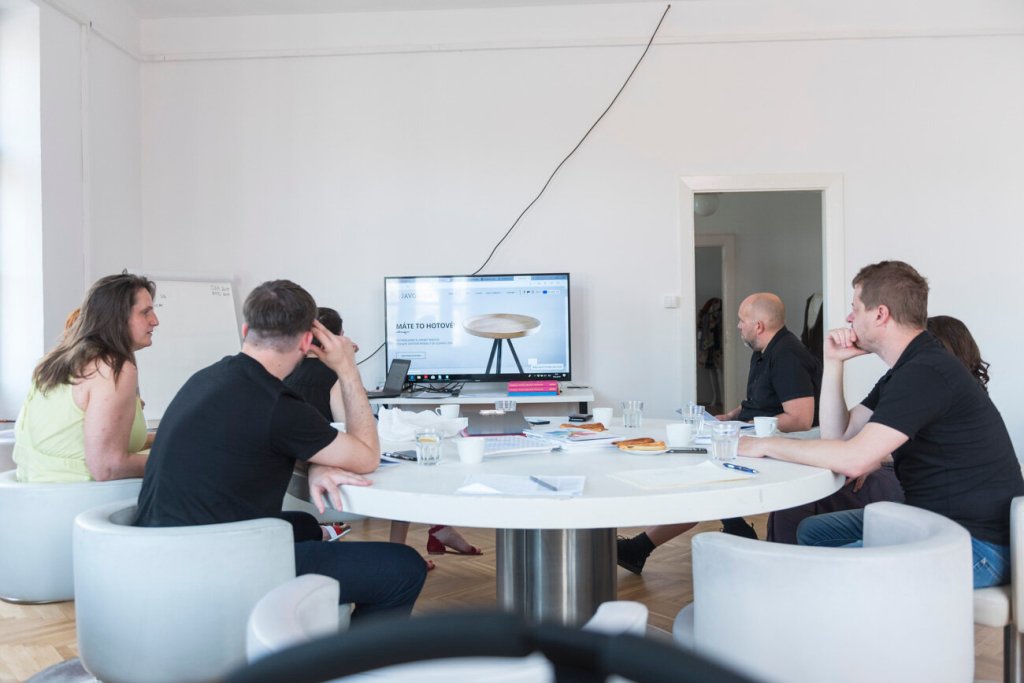
Priestorové škice_ Maja Štefančíková_2018


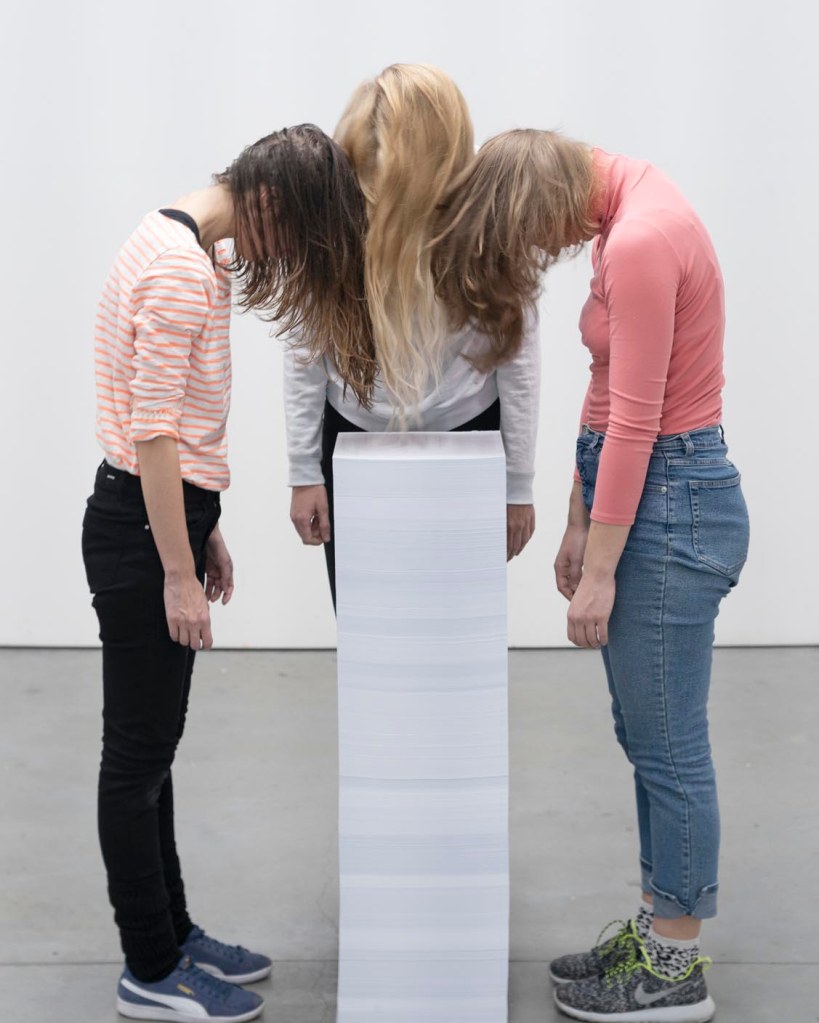


Obyčajné príbehy_ London Design Festival_2018
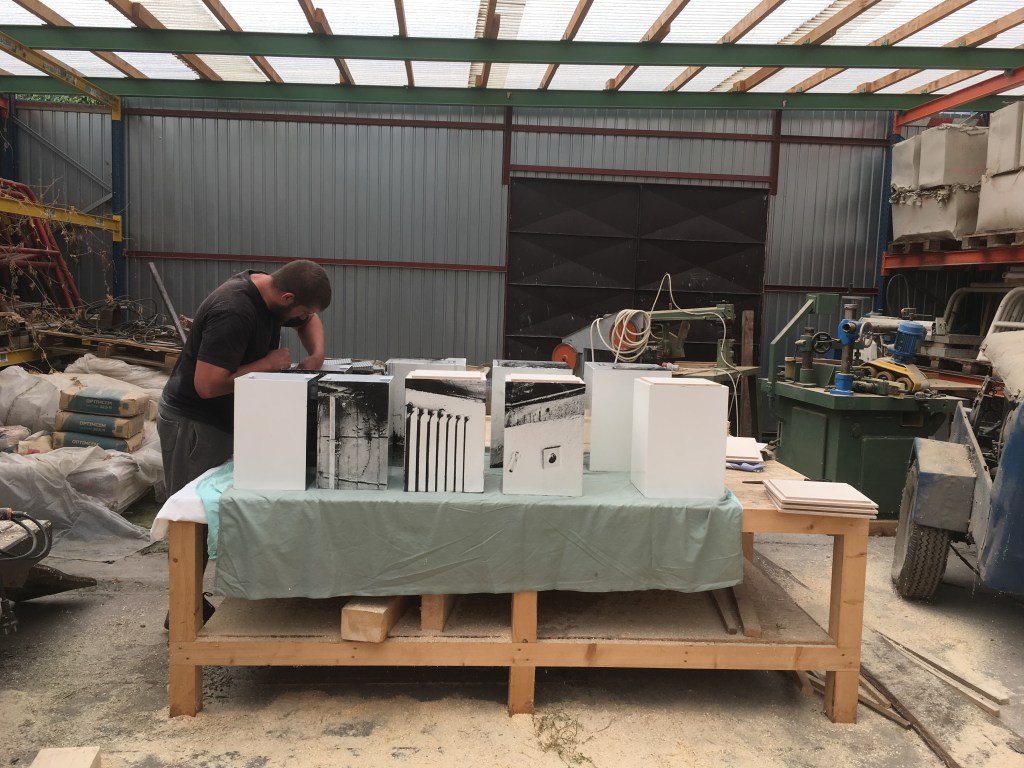


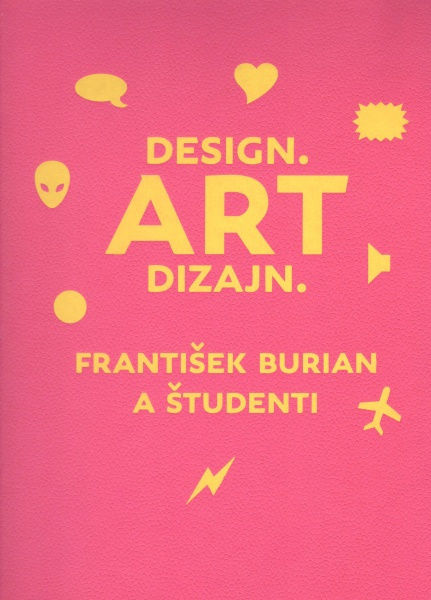
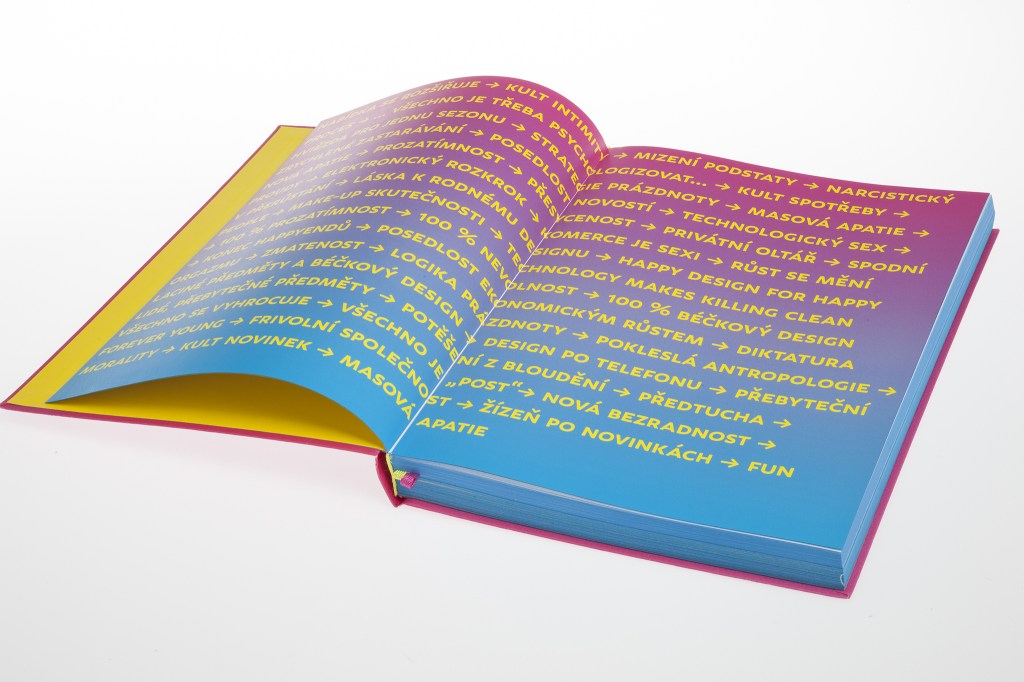
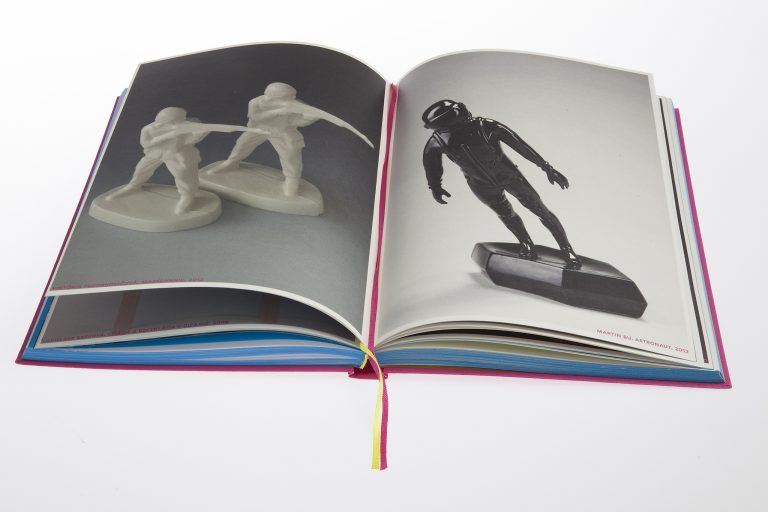
Art Dizajn_ František Burian a študenti_ 2017

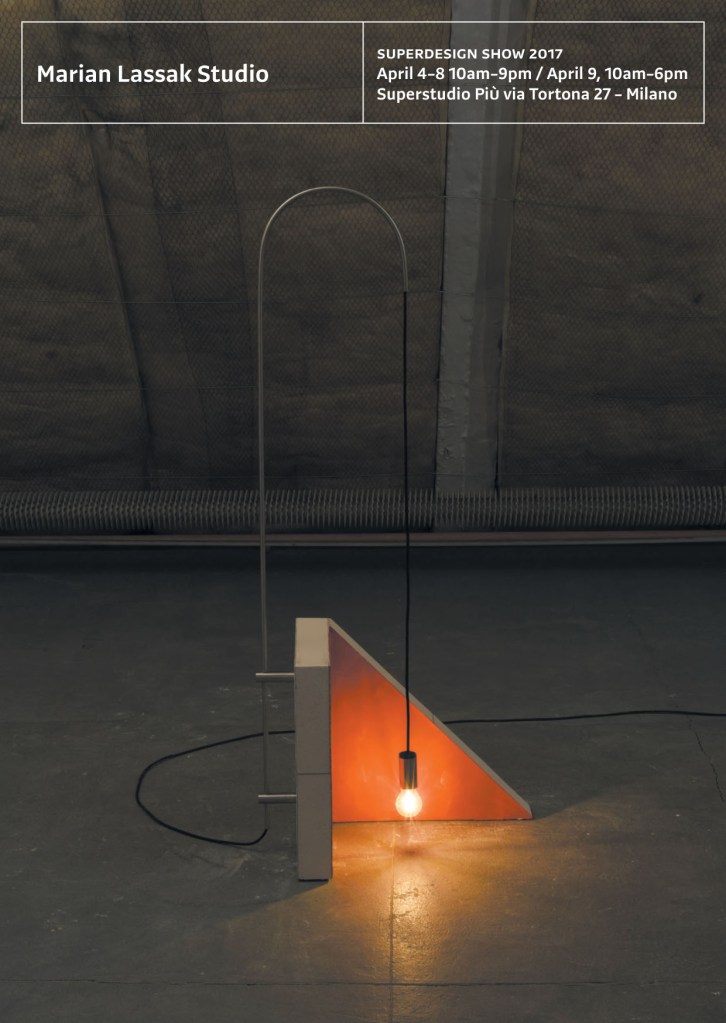
Prázdne rohy_ Milano Design Week_2017/Berlin Design Week 2017/Křehký_ Mikulov 2017/Bratislava Design Week_2017



Vianoce_ Pod jedličkou 4_Galéria Nova_Bratislava_2016

Generácie_Periférne centrá v Dúbravici_2016




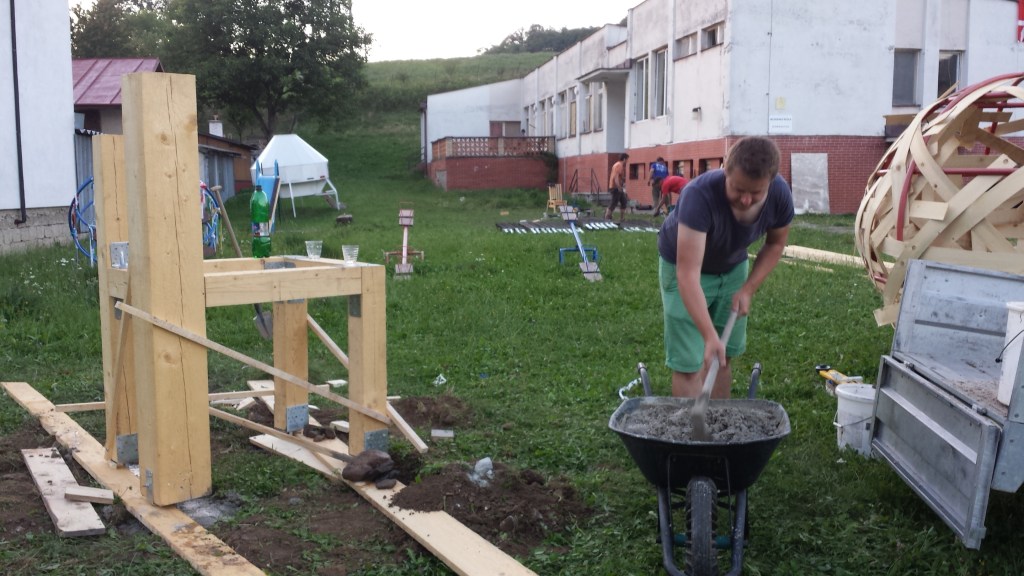
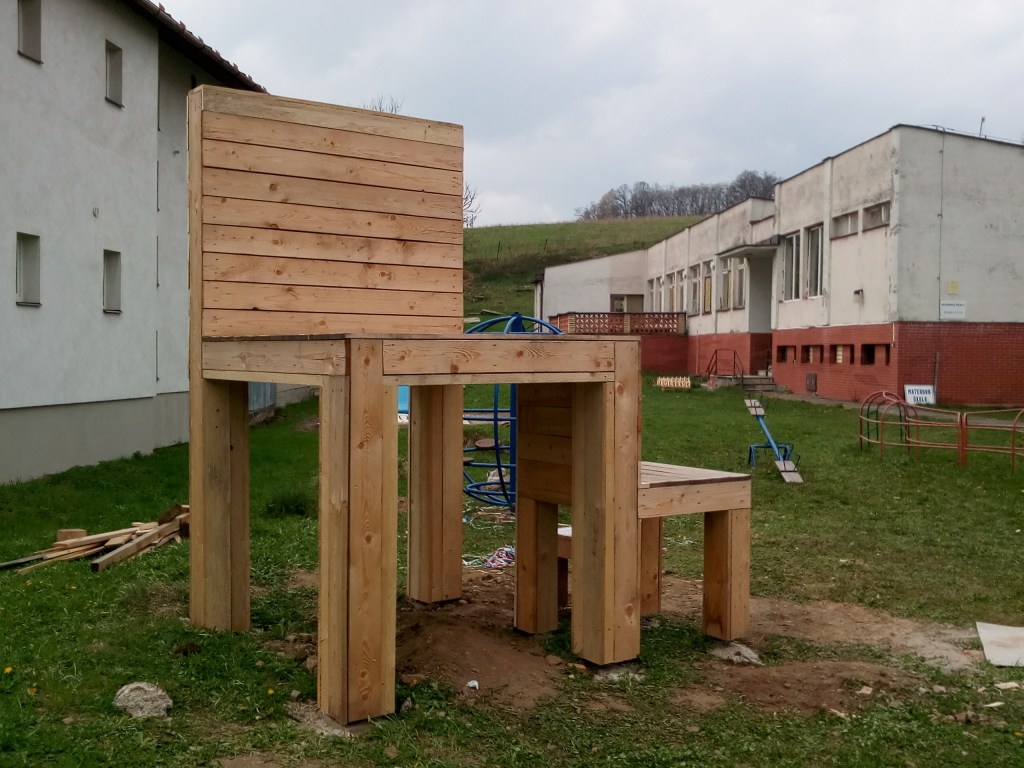

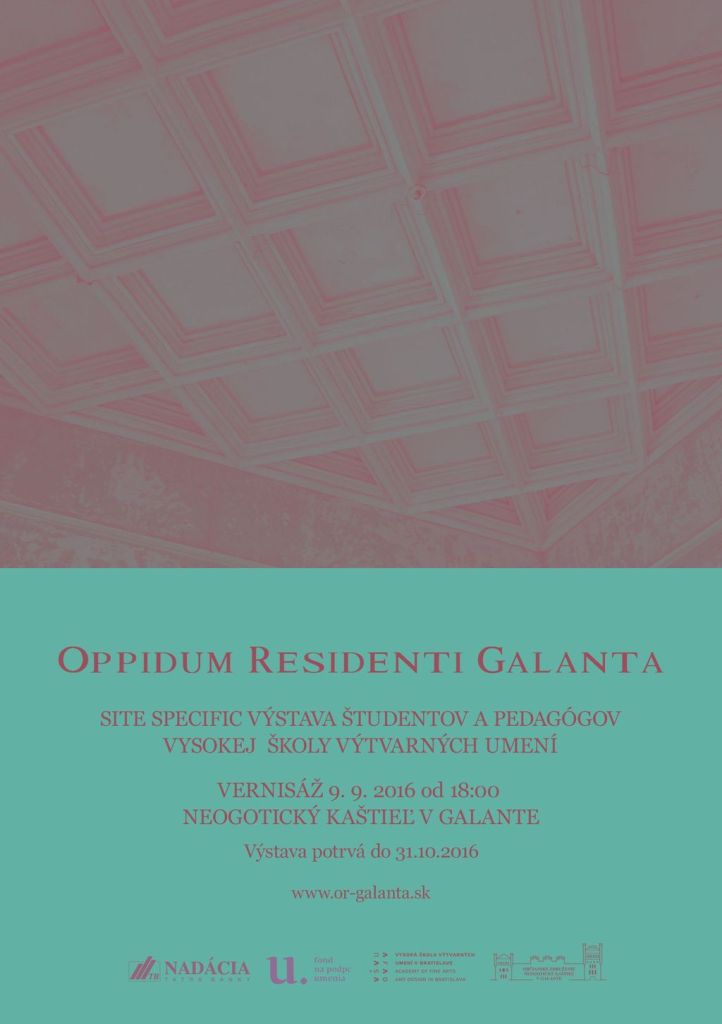
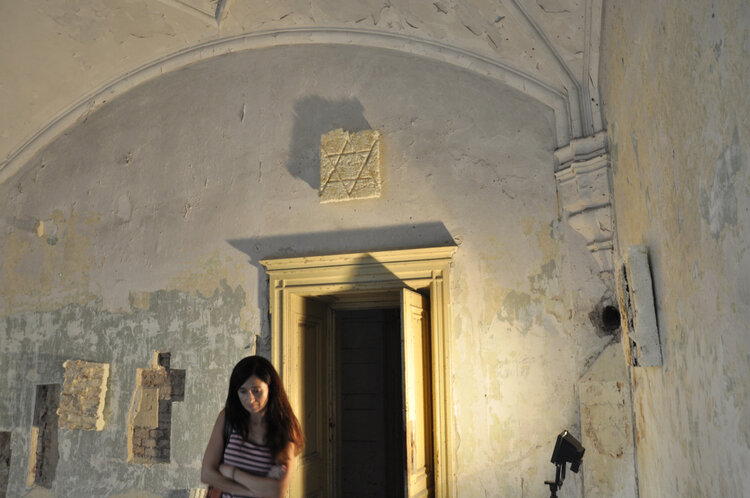
Oppidum residenti_ Kaštieľ Galanta_2016




Panelák_ Modem_Modern and contemporary art centrer_Debrecín_Maďarsko_2019/Národná cena za dizajn v Bratislave_2017/Central values_Budapest Design Week_Maďarsko_2016/ Designblok Praha_CZ_2015/Dizajn a architektúra_kontexty kontakty a presahy_galéria Satelit_Bratislava_2015/ Bienale Forma_SVU_Bratislava_2015
PANELÁK
SK_ foto: Marko Horban
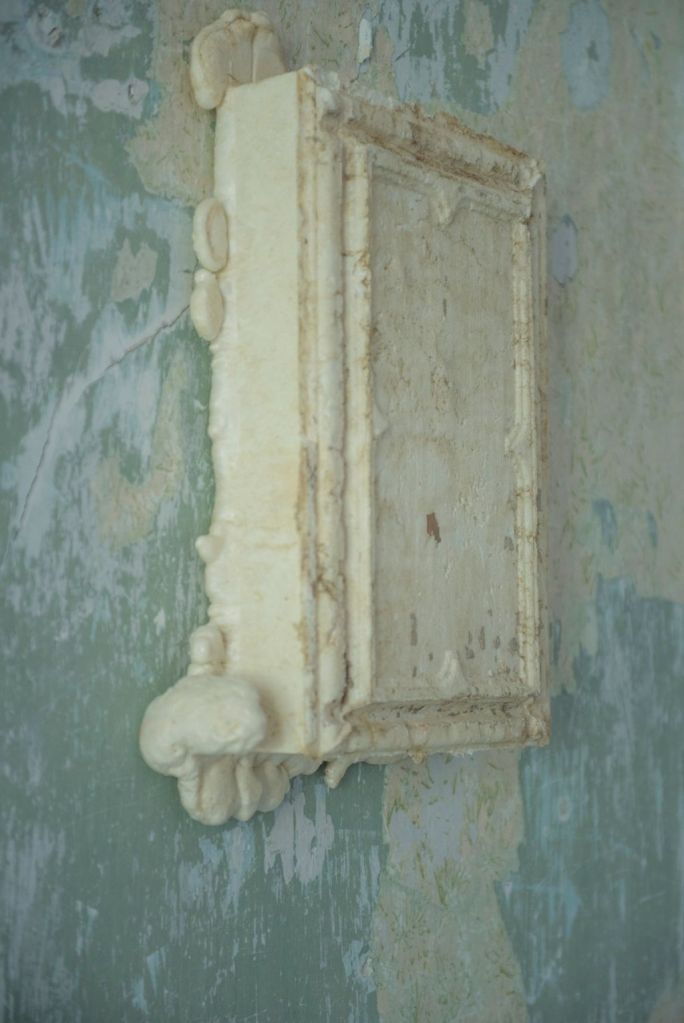
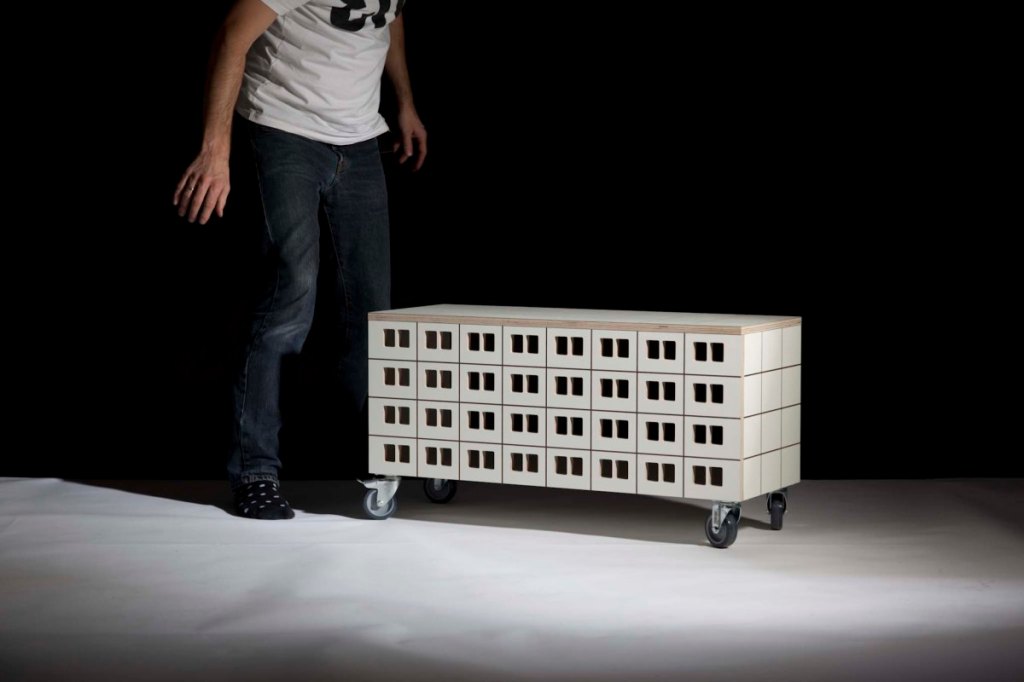
ENG_ The phenomenon of panel houses and residential areas creates an integral part of visual memory in countries of Eastern Europe. This fact influenced the lives of generations and it brings meaning which is ever changing according to individual stories of every one of us. For many people prefabs are a symbol of involuntary housing in social conditions that bring specific qualities connected with this fact. What fascinates author is the contrast between the functional, modernistic and unified concept of the same type of flats in many countries as opposed to the many stories of the people living in them, that are all different. The collection consists from dresser with three drawers, movable table, and wall lamp. The lamp simulates night view to prefab house with lights in windows that are irregularly lighting up and go out in time.





Najlepšie miesto na sledovanie_ Bratislava Design Week_2014
NAJLEPŠIE MIESTO NA SLEDOVANIE
SK_ foto: Vendula Vojáková
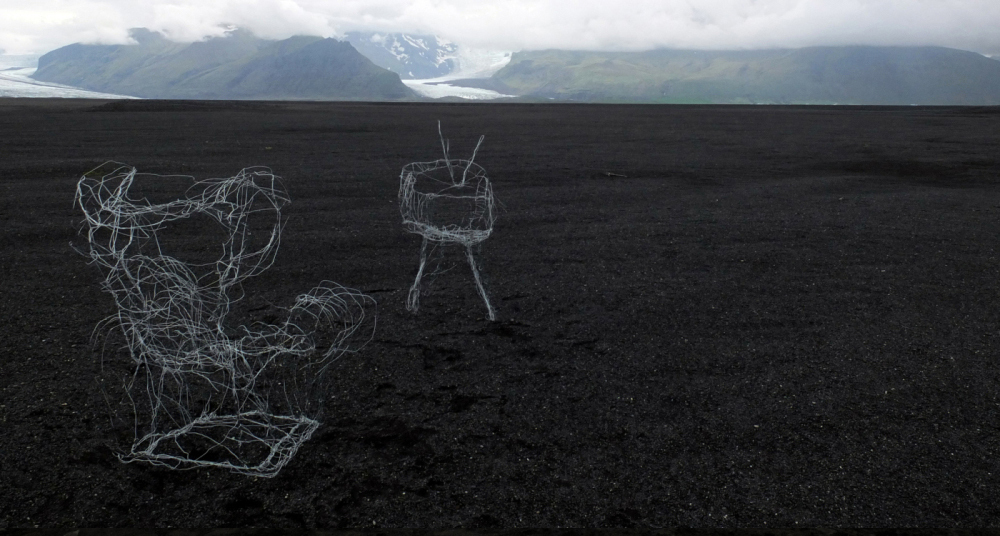
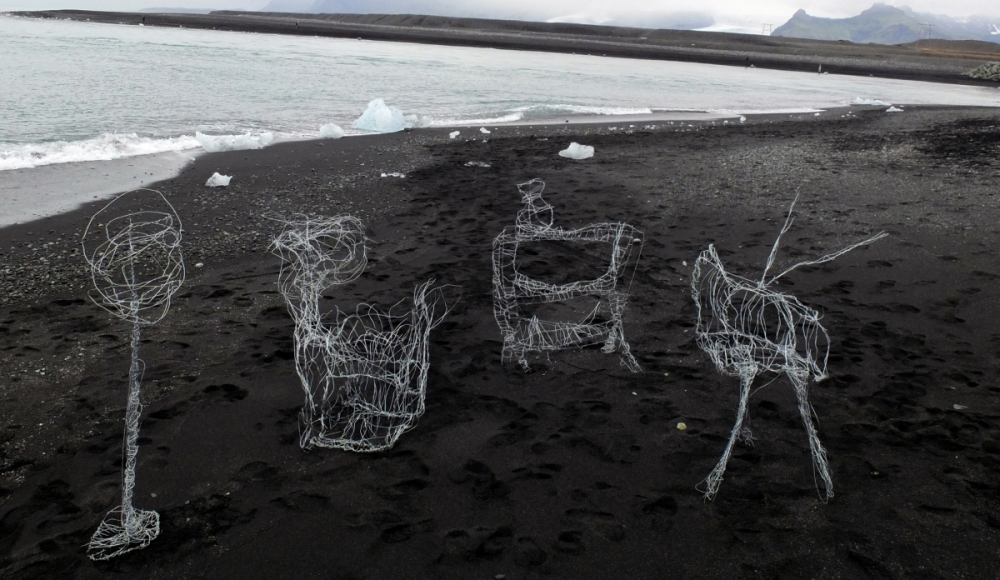
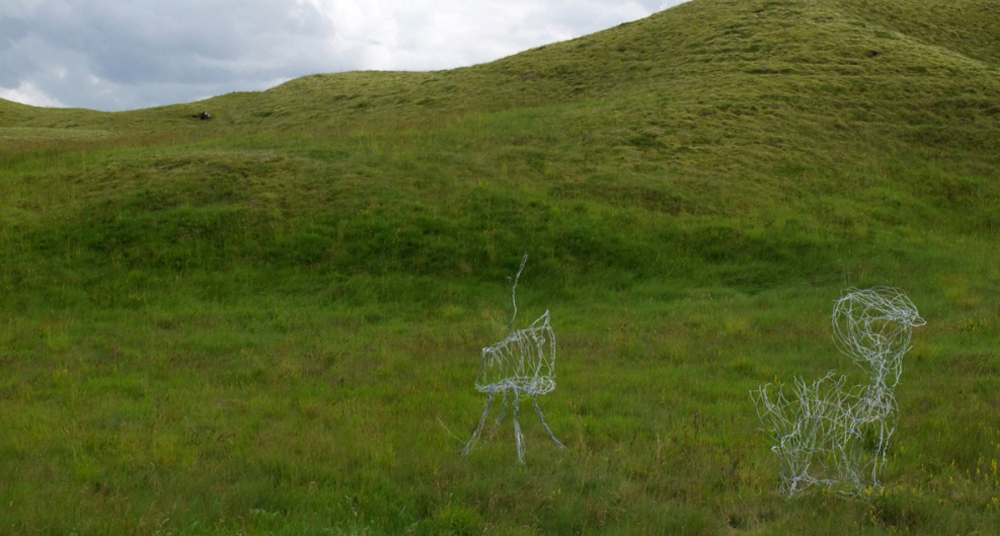
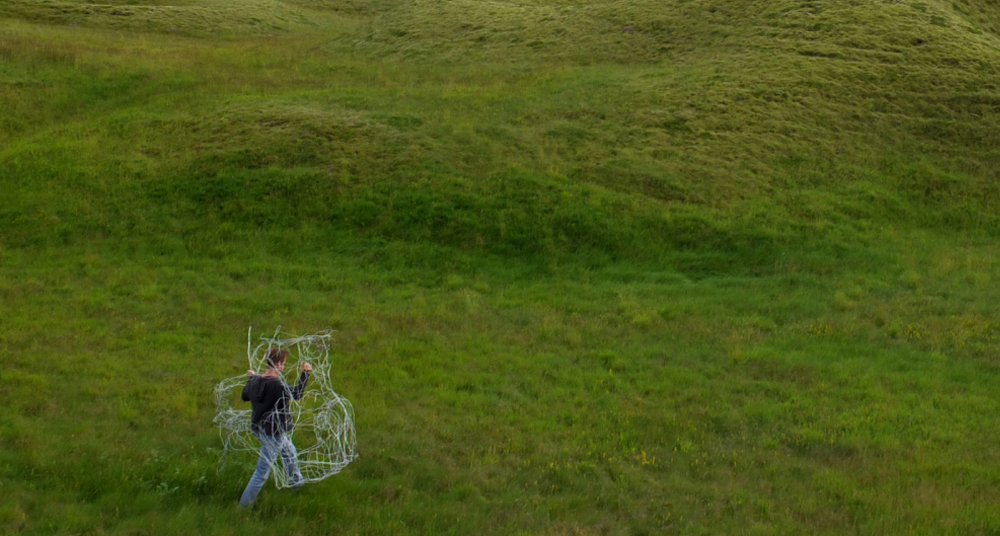
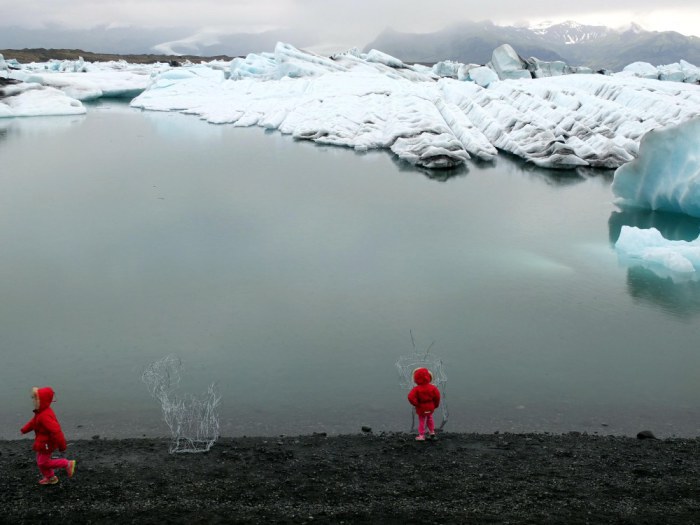
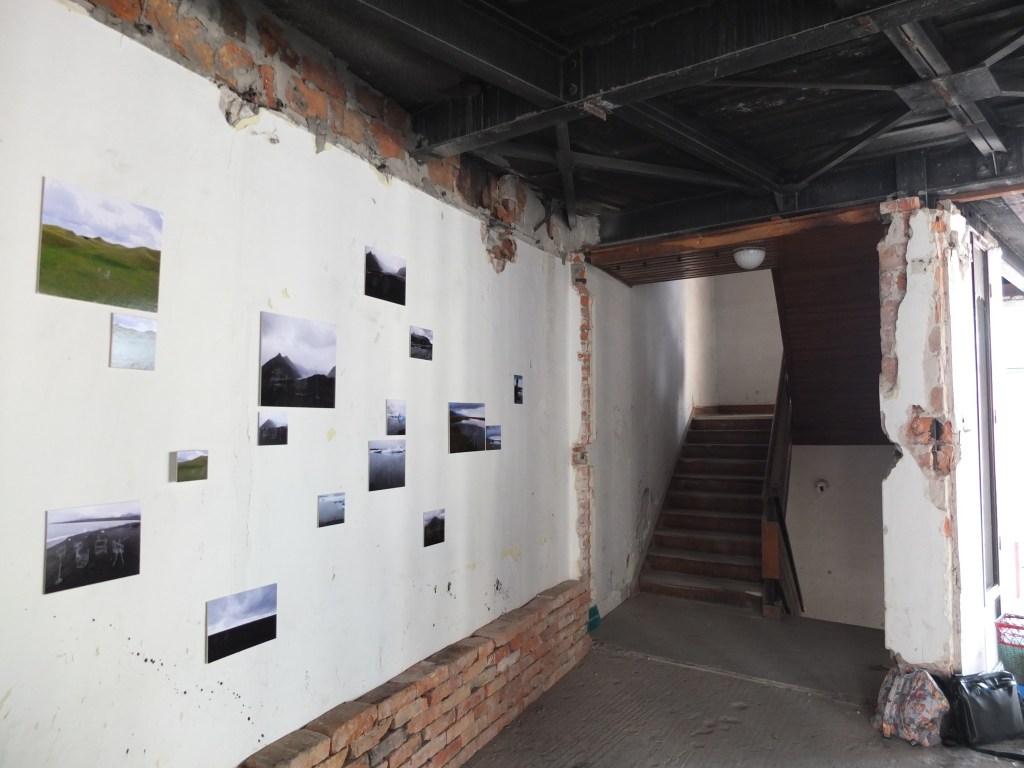
ENG_ Icelandic landscape is only bounded by skylines, tops of mountains or the ocean. There is banned to build stable fences in Iceland. Only one exception are wire barriers by which pastures for sheep are divided. The philosophy of Icelanders is to leave their landscape open for everybody. Fences mae of steel wire and mounds of stones are the only traces of human activity at most of places. That landscape creates charming sceneries in which we are present very rarely. Also/that ́s why is very photogenic. We focus our sences gently, choose the best place to watch, try to make the best photo when we are there. We look for the best place we can take that picture from. I also looked for “The best place to watch” in my project. Then I made an installation of armchair, TV and other objects (normally found in our private spaces at home) into that open icelandic landscape. In this case I wanted to choose the best place for armchair and TV as a representatives of stereotype of our home, of our “intimacy” in which we are isolated from reality at the same moment.








Karaván_ Projekt Karaván_2014
KARAVÁN
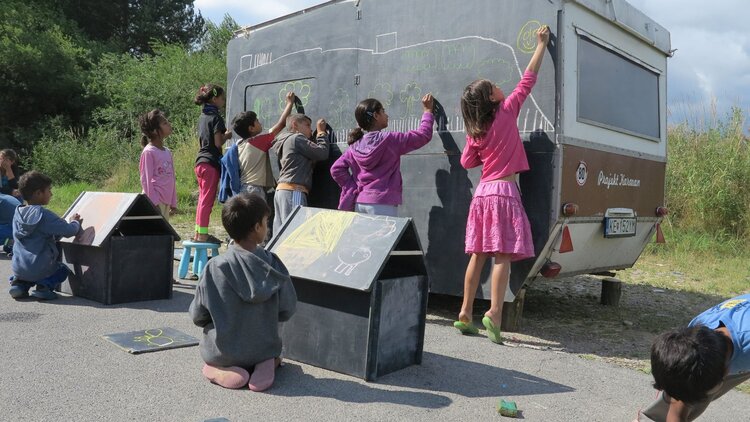
SK_ Funkčné objekty pre projekt Karaván
https://www.facebook.com/projektkaravan/
ENG_ Functional objects for project Karavan


Triennale de Milano_ Muller Van Tol_Amsterdam_NL_2013
TRIENNALE DI MILANO
SK_ Architektúra výstavy pre Triennale di Milano počas Milano Design Week 2013
pre https://mullervantol.nl/projects
ENG_ Exhibition design for Triennale di Milano during Milano Design Week 2013
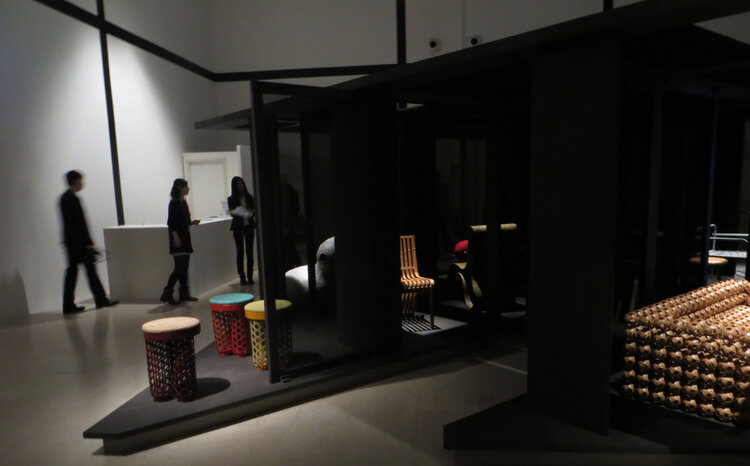


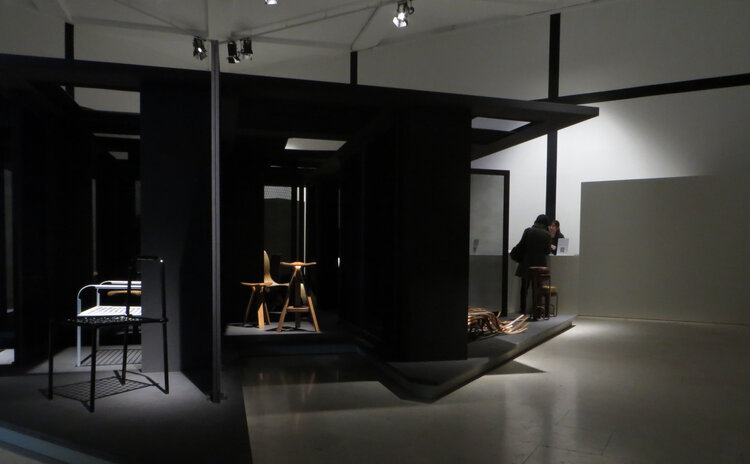
Zvon_ Galéria Magna v Pieštanoch_2013/Servus from Bratislava_Walking chair gallery vo Viedni_Rakúsko_2012/Last level_Galéria Médium Bratislava_2009/Comunistar_Galéria Satelit_Bratislava_2009
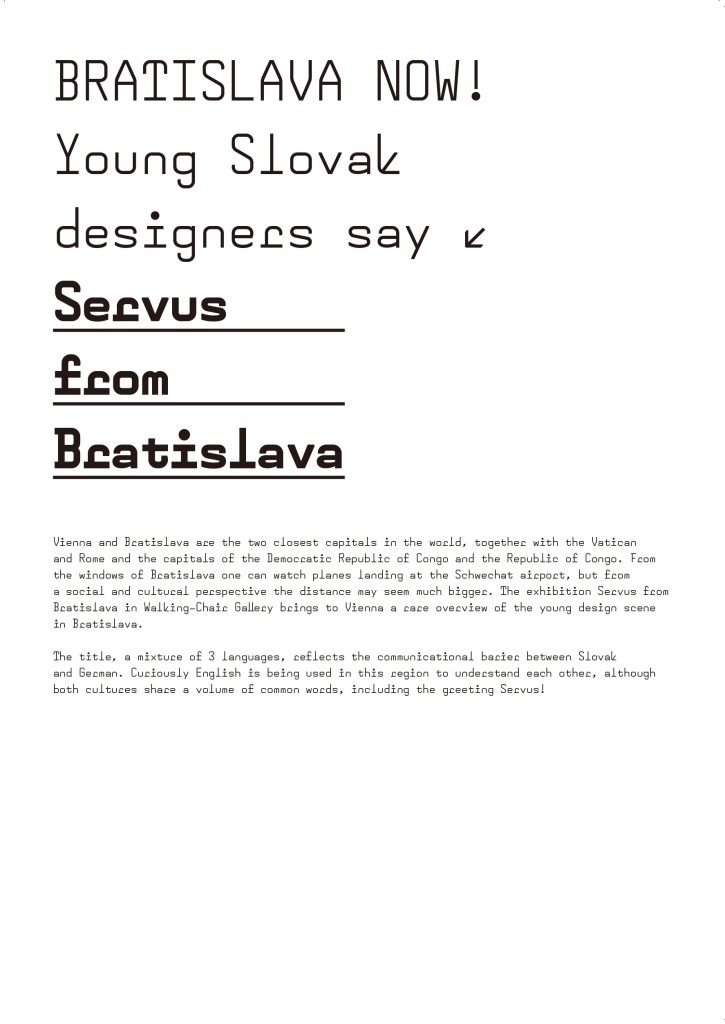


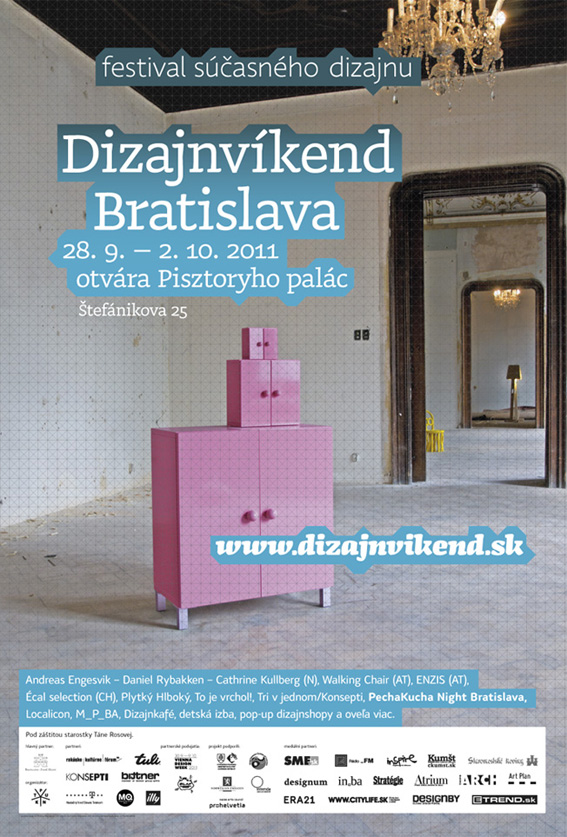
Mierka_ Common roots_Design Museum Holon_Izrael_2013/ Bratislava dizajnvikend 2011
SK_ foto: Andrej Vágner
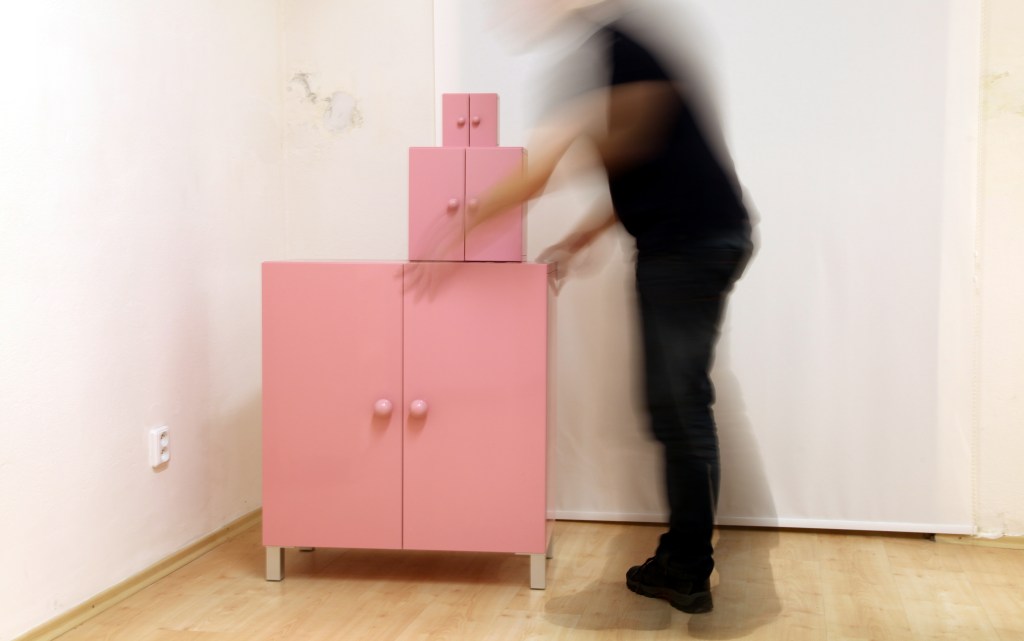
ENG_ By the medium of work with scale collection offers new view on the furniture using. Parametric expansion and diminution of individual parts allows creating new unexpected spaces in the form of diverse corners and hiding places, which are able to obtain more personal character for their user.





Ľudová stolička_ Slovenská Národná Galéria_Bratislava_2012/Projekt Creater_Londýn_UK,Roterdam_NL,Praha_CZ,Berlín_Nemecko_2009
ĽUDOVÁ STOLIČKA
SK_ foto: SNG, autor
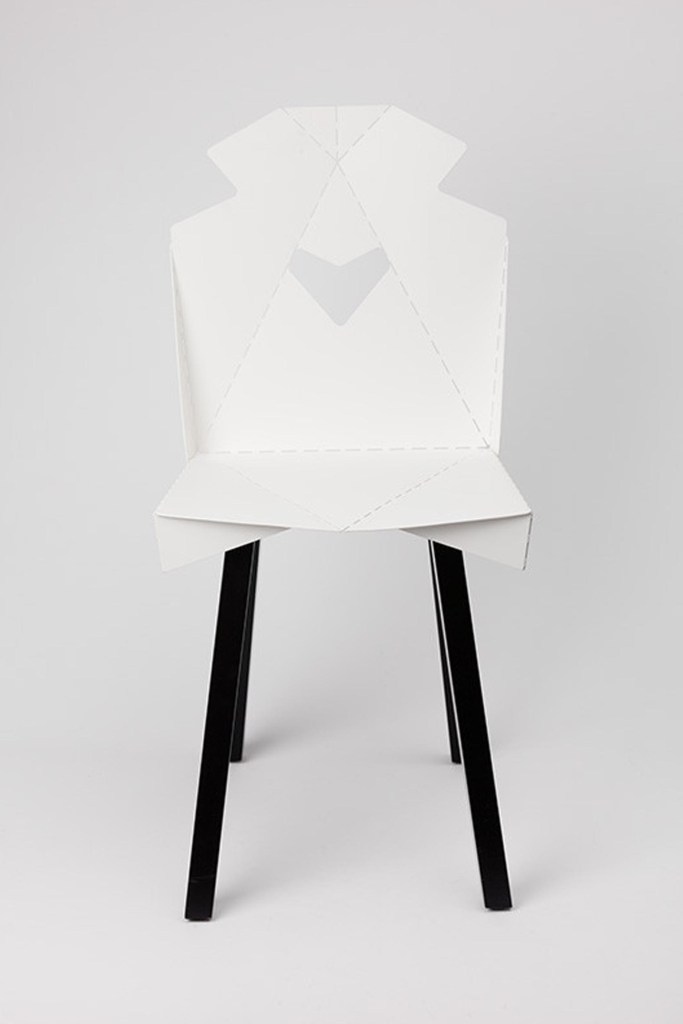
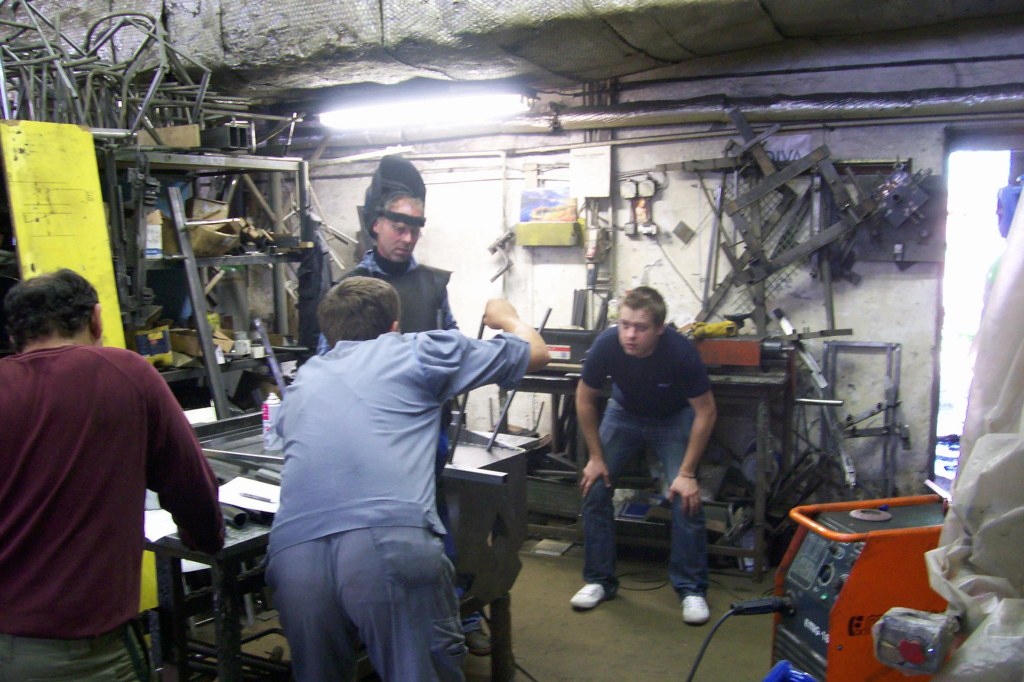
Prototype Folk chair was created in the second edition Creater project in cooperation with company Kodreta which was one of the largest manufacturers of seating in the former Czechoslovakia. Kodreta is known for its metal products and it has been adapted to the design concept. The project was chair of bent sheet metal follow-up on the morphology of a species typologically’s chairs (part of the equipment “Slovak room”). This type of chairs are made of solid wood connected with wooden wedges and are known for their robustness and relatively large mass. Although that chair Folk reference to this typology, thanks to the structure of a thin plate bent on the principle of origami is its exact opposite.




Vodníci_ sochárské sympozium Szyivánov mlyn v Bernolákove_združenie prvého mája_2010
VODNÍCI
SK_ foto: Marko Horban
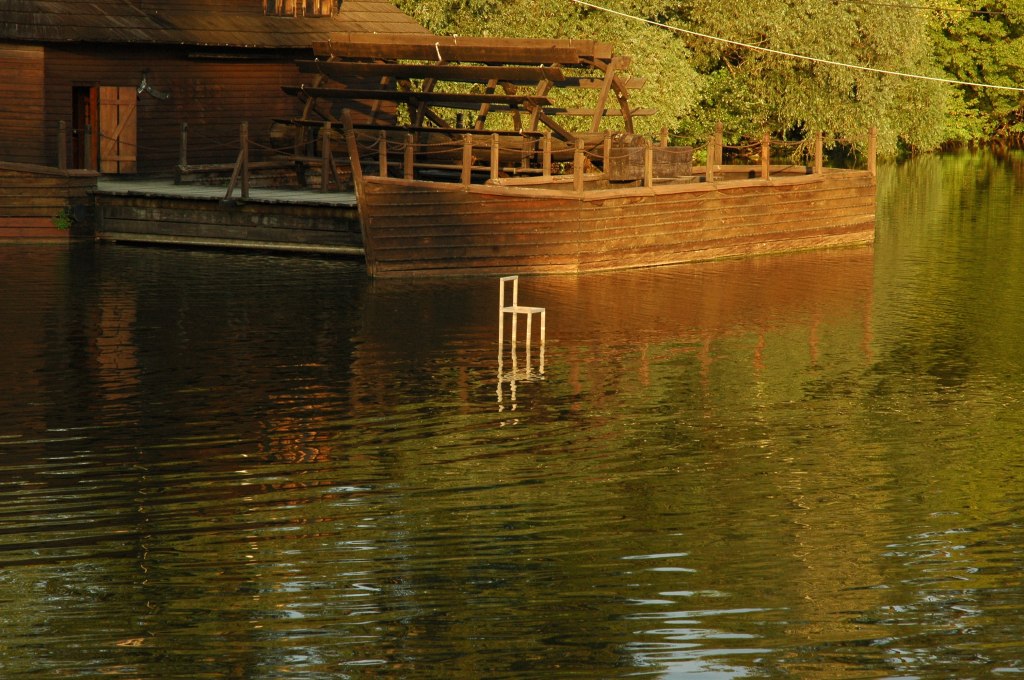
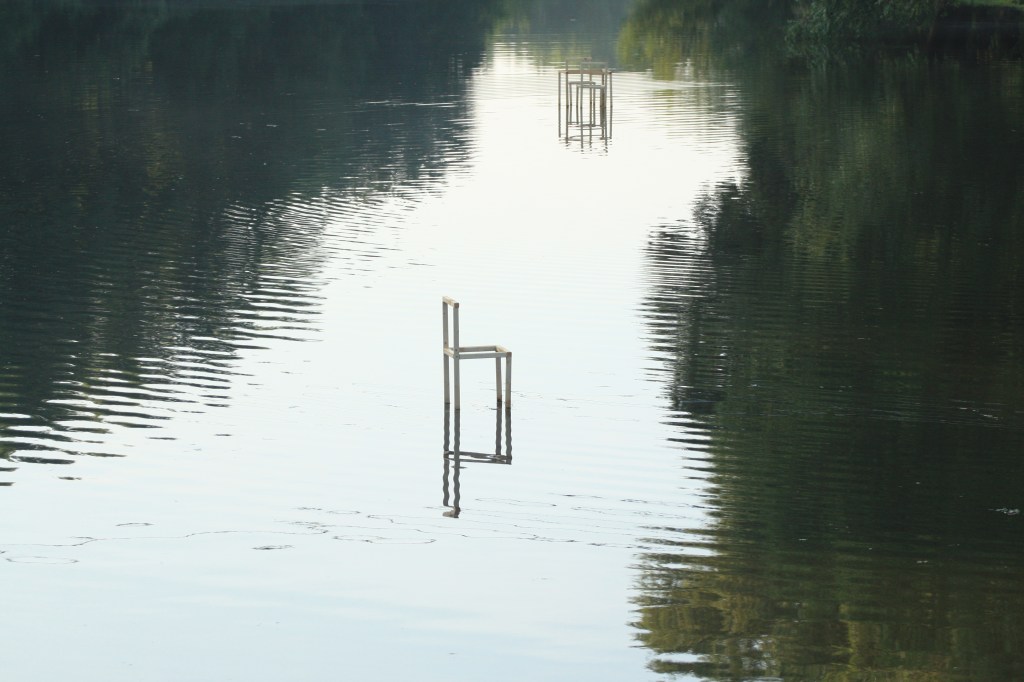
ENG_ Kelpy is an installation which was created during the International Symposium Szivanyov mill 2010 and was placed on the water surface in Kolárovo. “Marian Lassak sent his favorite object into the river water. Meditatively effecting objects chairs balancing on the water surface, emerging from the water or immerse into it. The plain water surface suddenly becomes a scene full of anticipation, somebody just left it, or is coming, every moment it becomes a scene of a some story”. Viera Klainová_ curator





Stolčeky_ Comunistar v Koncepty_Bratislava Dizajnvikend_2010/Comunistar_ Satelit_Bratislava_2009
STOLČEKY
SK_ foto: Andrej Vágner
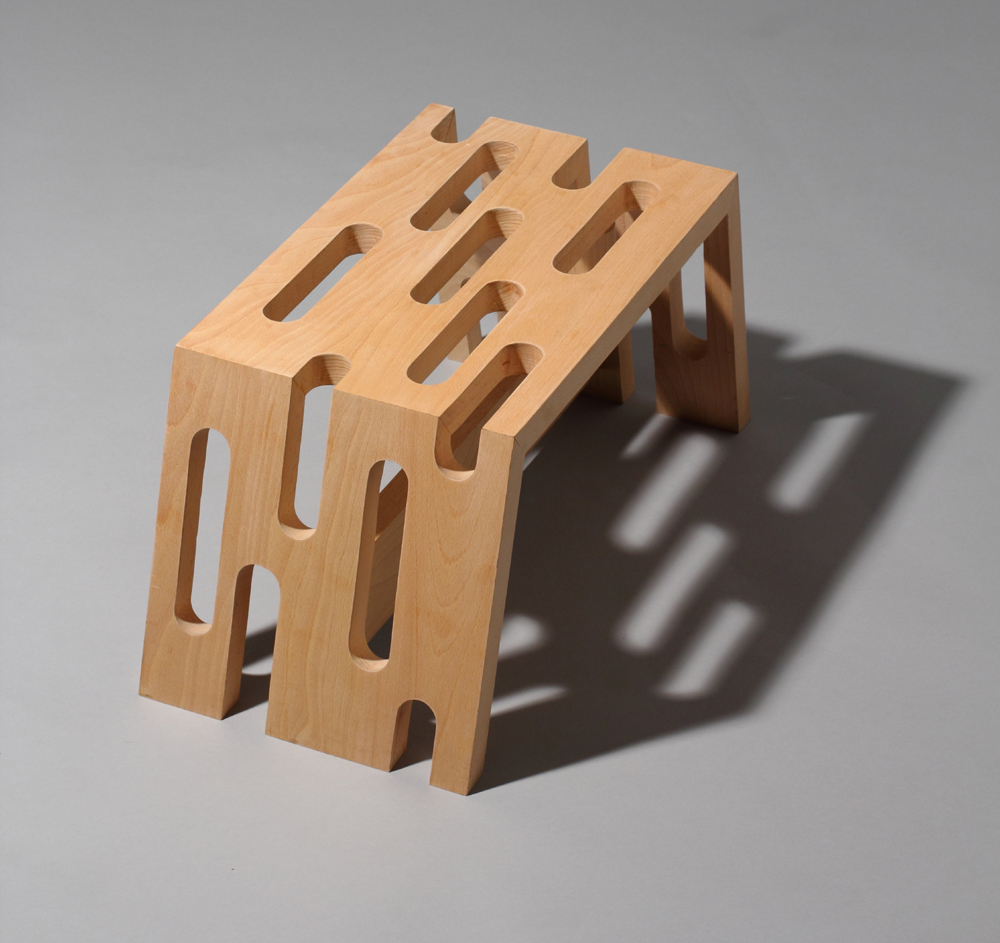
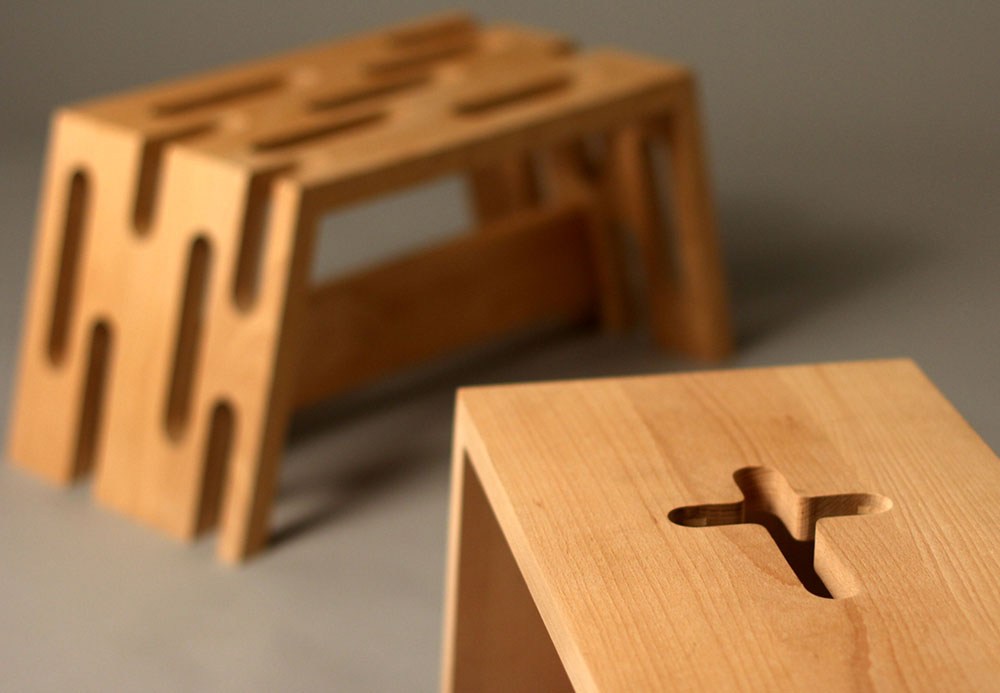
Throughout the history stools were an important part of our homes, but nowadays they are slowly disappearing from them. Collection Stools rehabilitates this in the past typologically widespread type of furniture and brings it in new contexts. Stools are made without visible details in contrast as it was in the past. The main motive becomes a handle, which is from its purely functional essence ennobled to the main aesthetic element. By the medium of its multiplication it creates the new structure, which becomes dominant and update archetypal shape of the stool. In other case, with the help of minor hits stool gets a new, symbolic plane.



Za dvermi_ Comunistar_ Satelit_Bratislava_2009
ZA DVERAMI
SK_ foto: Marián Aštáry
ENG_ Many of us as in our childhood wished the light permeating into our room through the door glass or through the slot under the doorstep never get lost.
foto

Domov_ Danubian dreams 2_Gandy gallery_Bratislava_2009/Cneai_ Exposition Fleuves_Paríž_Francúzko_2009
DOMOV
SK_ foto: Andrej Vágner
ENG_ The architectural project Danubian Dreams was born during the occasion of an encounter between the architect Odile Decq and the galeriste Nadine Gandy.
The gandy gallery’s vocation is to be a laboratory rather than a simple gallery; a meeting point without exclusivity for art, design and architecture, but also for the creation of multiples forms and projects.
Danubian Dreams gathers five European architects and designers: Odile Decq(F), Peter Cook(GB), Matali Crasset(F), Medusa Group(PL), Helen & Hard(N) who were invited to create their own « shed ». This project re-questions the idea of the hut as the first habitat and re-proposes this notion to live in the 21st century.
For the second edition Danubian Dreams2 Markus Hansen (D), Olgoj Chorchoj(CZ) and ComuniStar (SK) were develop a new concept related to necessity and uncertainity. The exhibition was situated in gandy gallery, on Panenskà number 30 in Bratislava.







Stará mama_ Kruhy_UĽUV_2010/Creater_Londýn_UK,Roterdam_NL,Praha_CZ,Berlín_Nemecko_2008


Ikea_ Bratislava Dizajnvíkend_2011/Comunistar_ Galéria Satelit_Bratislava_2009
IKEA
SK_ foto: Andrej Vágner
Ikea Lack table is one of the best selling pieces of furniture from IKEA. Thanks to its price it has become a symbol of cheap mass production. It is sold in millions all around the world irrespective of borders and cultures. As easily as we can buy it, we can also easily get rid of it, because its financial value is almost zero. Project analyzes our relationship to the ordinary objects, which is deformed by the process of artificial obsolescence and constant modification. Table is made of granite, engraved with gold and weighs 50 kg.


Piedestál_ Comunistar v Koncepty_Bratislava Dizajnvikend_2010/Comunistar_ Satelit_Bratislava_2009/Last level_Galéria Médium Bratislava_2009

Poézia_ Saint-Etienne international Design Biennale_Saint-Etienne_ Francúzko_2007

Tovar_ Slovenská Národná Galéria_Bratislava_2012/Design with a smile_Design museum Gent_Belgicko_2008
TOVAR
SK_ Foto: Filip Vančo, Roman Ficek
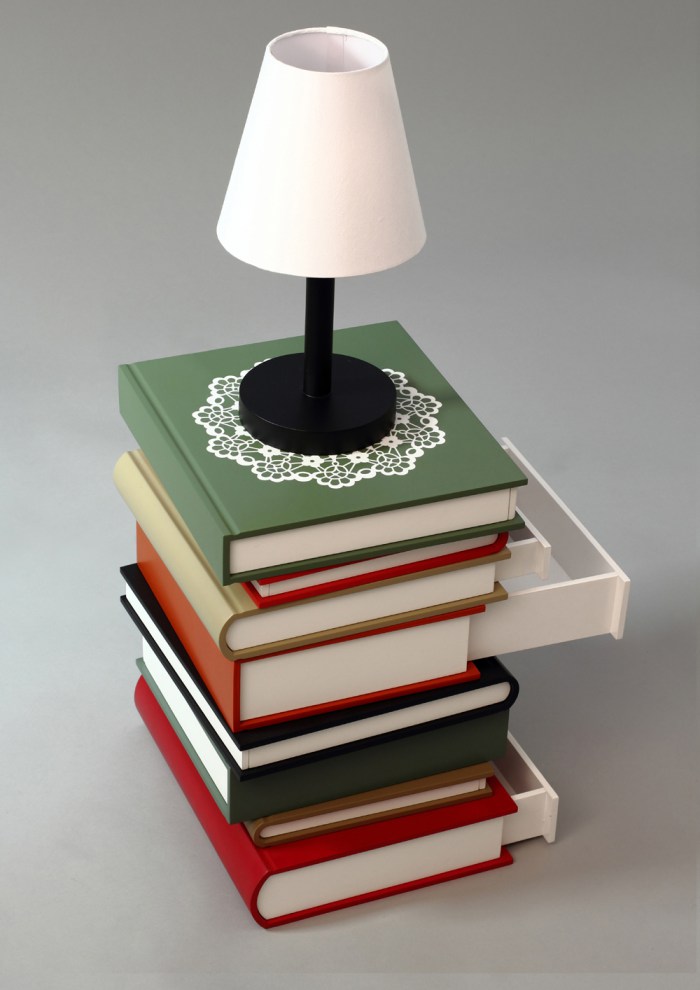
ENG_ Each designer product is becomes a commodity, once it enters. From this time it is a subject of sales process, marketing strategy and strong competition. Chair and stand are inspired by a symbol of this process, which is used as an art and a functional element. In the case of chair it provides the structure for aeration of the backrest and in the case of stand structure of storing place for CD.


Mickey mouse_ Ústredie ľudovej remeselnej výroby_Peknô_Slovenské remeslo a dizajn_Helsinky_Fínsko_2007



Askan_ Ciazza Memorial Challenge_Udiene_Taliansko_2005
ASKAN
SK_ foto: promosedia
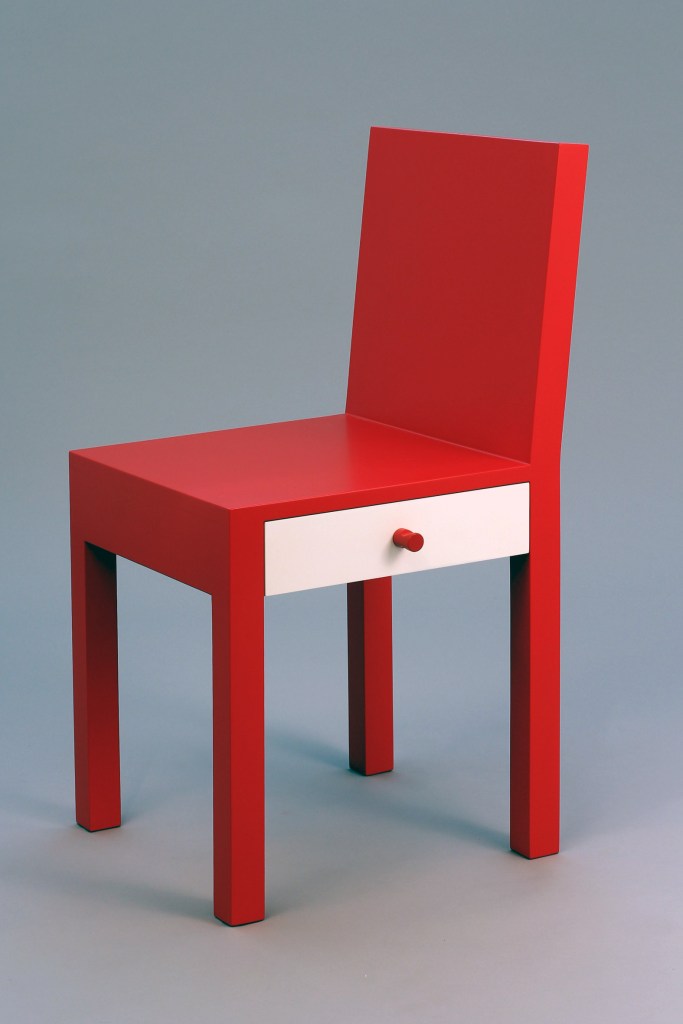
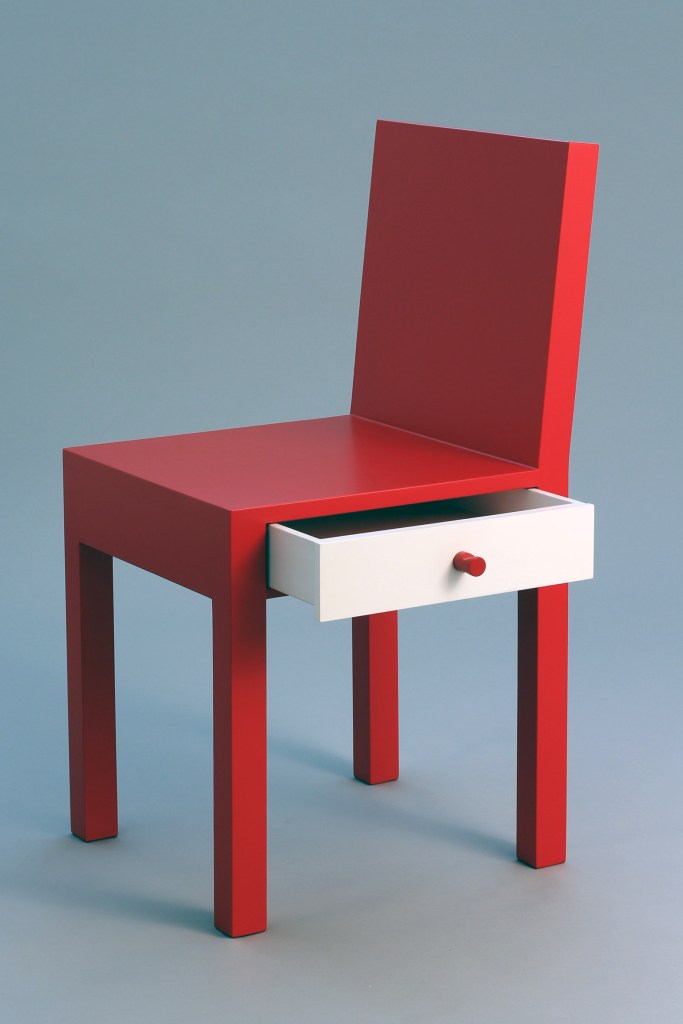
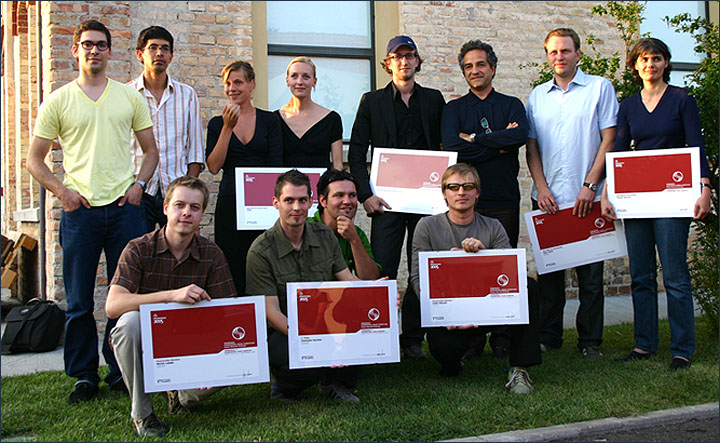
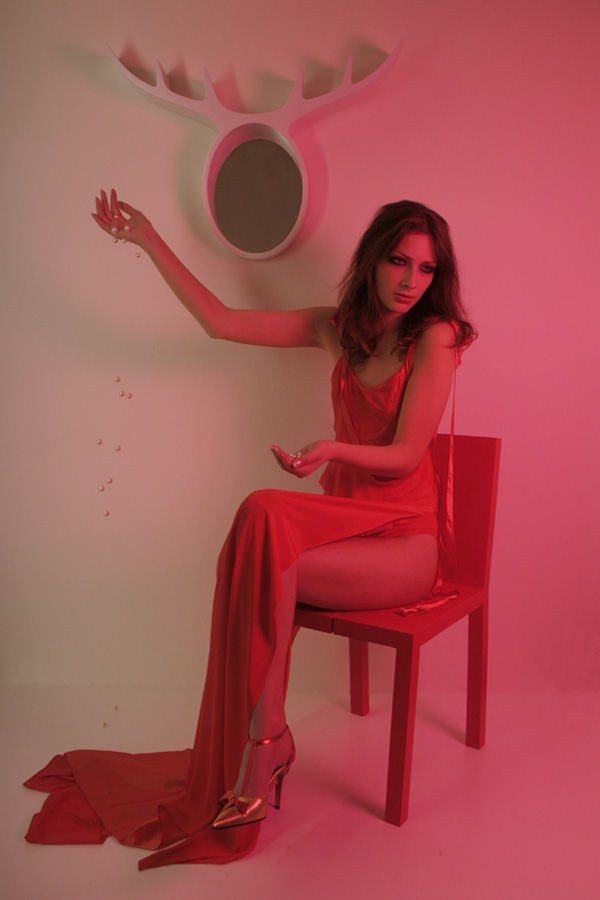
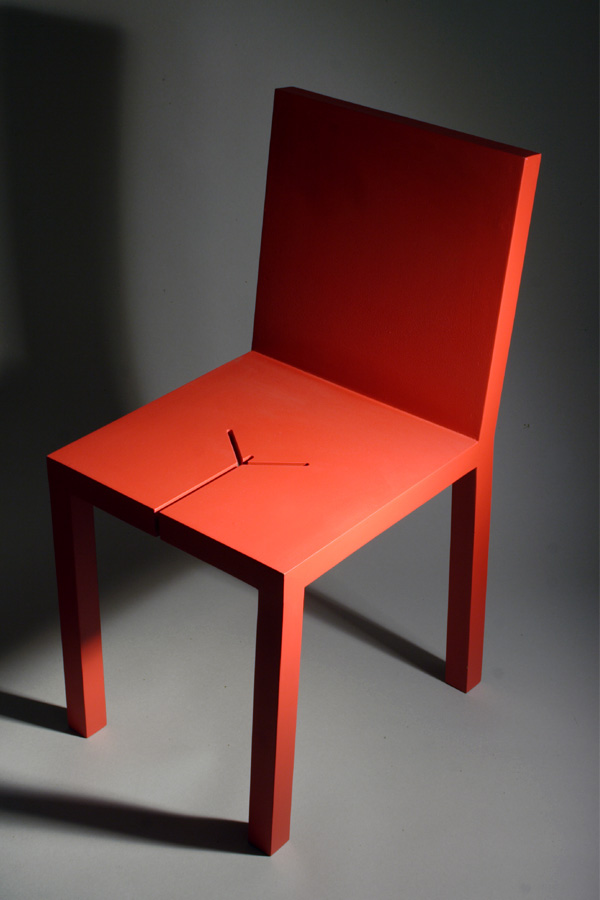
ENG_ Askan proposal was created for Promosedia company, which annually organizes one of the largest international shoving of seating furniture, within which it is launched competition Caiazzo Memorial Challenge. Winning project and two others project, which are awarded in the competition, are afterwards given into production. Chair Askan won price the Honourable mention. The jury appreciated the “reformation of the archetypal image of the wooden chair, adding to it a function that is defined by drawer, while themessage of the way of using the chair in the past is in this case more important than its real function. Chair Askan rediscovers an era that tends to become legendary“


 marián laššák